Best Pallet Storage Solutions for Efficient Supply Chain Management?

Time:2026-08-28 Author:Amelia
0%

In the fast-paced world of supply chain management, effective storage solutions are critical. Pallet storage plays a vital role in optimizing warehouse space and improving inventory handling. With the right pallet storage systems, businesses can enhance efficiency, reduce costs, and streamline operations.

Many companies face challenges in maximizing their storage potential. Often, limited space leads to overcrowded warehouses and inefficient layouts. This results in increased retrieval times and delays in fulfilling customer orders. By understanding the unique needs of their operations, managers can choose the best pallet storage options to suit their environments.

Implementing innovative pallet storage solutions is not without its challenges. Companies must consider factors such as weight capacity, accessibility, and safety. It is also essential to evaluate the ongoing maintenance of these systems. Seeking expert advice can help teams avoid costly mistakes and ensure reliability. Embracing the right pallet storage strategies is key to achieving long-term success in supply chain management.
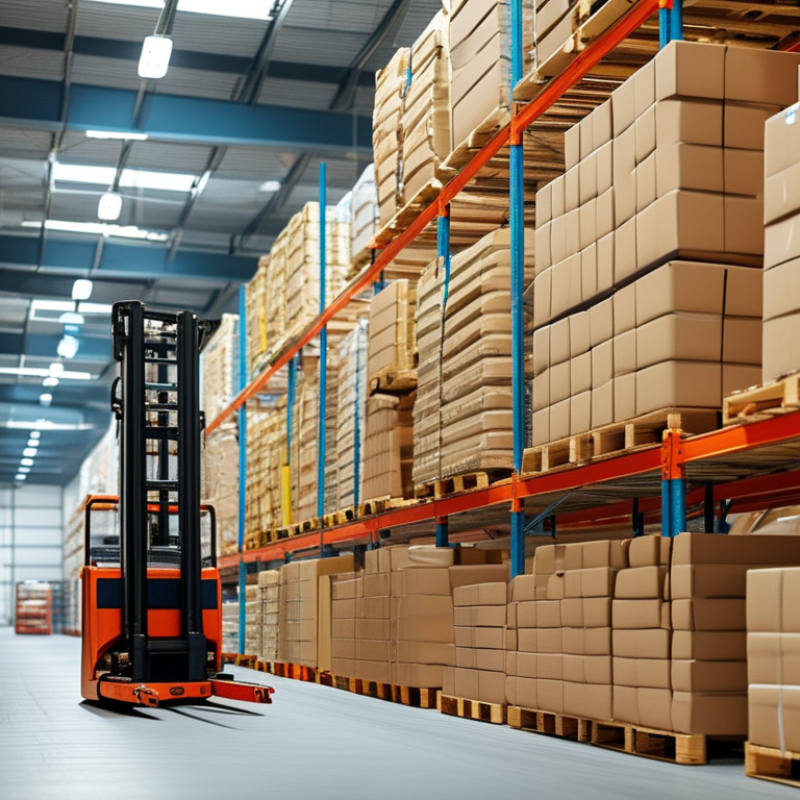
Best Pallet Storage Solutions for Efficient Supply Chain Management?

Understanding the Importance of Efficient Pallet Storage in Supply Chains

Efficient pallet storage is crucial for modern supply chains. It allows businesses to optimize space, reduce costs, and improve inventory management. When pallets are stored correctly, they minimize damage and enhance accessibility. A well-organized storage system can save time during picking operations, leading to faster deliveries.

However, many companies face challenges with pallet storage. Poor layout can lead to bottlenecks. It’s essential to assess existing facilities regularly. Adapting to changes in inventory or demand will keep operations running smoothly. Using vertical space effectively can maximize storage, yet not every approach will fit every business. Choosing the right method requires careful analysis.

Innovative solutions like automated storage systems can enhance efficiency. Yet, they may also come with high initial costs. Balancing investment with potential savings is a critical decision for logistics managers. Flexibility remains key. As businesses grow, their storage needs evolve, demanding ongoing evaluation and adjustment. Embracing this mindset fosters resilience in supply chain management.

Best Pallet Storage Solutions for Efficient Supply Chain Management

Storage Solution Description Capacity (Pallets) Benefits Challenges
Selective Racking A straightforward system allowing direct access to each pallet. 1000 Easy access, flexible design. Lower density storage.
Drive-In Racking A high-density storage system allowing forklifts to drive into the rack. 2000 Maximizes space, reduces aisle width. Potential for less stock rotation.
Push Back Racking High-density storage with a FIFO system. 1500 Efficient use of space, easy accessibility. Higher initial cost.
Automated Storage and Retrieval Systems (AS/RS) Robotic systems for automated handling and storage. Varies greatly depending on design. Highly efficient, reduces labor costs. Complex setup and maintenance.

Types of Pallet Storage Solutions and Their Applications

Pallet storage solutions are essential for effective supply chain management. There are various types of systems, each serving unique purposes. Selective racking is one of the most common methods. It offers easy access to individual pallets. However, it may not maximize vertical space efficiently. According to a report by the Warehousing Education and Research Council, up to 30% of warehouse space can be saved by optimizing storage solutions.

Drive-in and drive-through racking systems provide high-density storage. They maximize space by allowing forklifts to drive directly into the racking structure. Yet, this type requires careful management. Products stored in this way can be vulnerable to damage during retrieval. Understanding such trade-offs is crucial when selecting storage systems.

Consider using pallet shuttles for higher efficiency. This automated solution can significantly reduce labor costs and improve speed. However, initial investment can be a barrier. Assess the balance between upfront costs and long-term savings when implementing automated solutions. Regular evaluations of current systems ensure optimal performance and safety compliance. Adjusting to changes in inventory levels or product types can enhance operational agility.

Key Factors to Consider When Choosing Pallet Storage Systems

When selecting pallet storage systems, efficiency is key. Consider your space requirements first. A system that maximizes vertical storage can significantly increase capacity. For instance, high-rise racking saves floor space and can accommodate more pallets. Evaluate the layout of your warehouse to ensure optimal use of available space. Sometimes, it’s easy to overlook corners and upper areas.

Next, think about accessibility. A storage solution should allow for easy retrieval. Systems like selective racking offer straightforward access to individual pallets. In contrast, drive-in or push-back systems may reduce access points but increase storage density. Weigh these trade-offs carefully as they impact daily operations. Flexibility is also vital. Choose a system that can adapt to changing inventory needs.

Don’t ignore safety features. Stability and durability should guide your choices. Faulty equipment can lead to accidents and lost inventory. Regular inspection and maintenance play a crucial role here. It's tempting to save costs upfront, but investing in quality pays off in the long run. Regular reviews of storage systems can help identify issues before they escalate.

Implementing Technology for Optimized Pallet Storage Management

Implementing technology in pallet storage management can significantly enhance supply chain efficiency. Automated systems track inventory levels in real-time. This reduces manual errors and optimizes space utilization. Barcode scanning and RFID systems streamline the process, making it easier to manage stock rotation.

Investing in warehouse management software can provide actionable insights. These systems analyze data patterns, helping businesses make informed decisions. However, over-reliance on technology can lead to vulnerabilities. Staff must be trained to adapt to new tools, ensuring seamless operations. Balancing technology with human expertise is crucial for effective management.

Efficient pallet storage is not only about space. It involves understanding the flow of goods. Regular audits and adjustments can help identify bottlenecks. Not all technologies will suit every operation, necessitating a tailored approach. Embracing flexibility and continuous improvement can lead to better outcomes in pallet storage solutions.

Best Practices for Maintaining and Organizing Pallet Storage Areas

Maintaining an organized pallet storage area is crucial for the efficiency of supply chain management. Poorly organized spaces lead to increased retrieval times and potential safety hazards. Clear labeling of pallet locations can help reduce confusion. Use durable tags that withstand warehouse conditions. This small step significantly improves retrieval speed.

Regular audits of your pallet storage areas can identify inefficiencies. Sometimes the layout becomes outdated or inefficient as your inventory changes. Shifting pallets to adapt to new storage needs is important. Don't hesitate to rearrange. Feeling stuck in old patterns can hinder progress.

Ensure your team is trained regularly. They should understand the importance of maintaining an organized space. An informed workforce can spot problems early. Implementing a rotation policy can keep stock fresh. It minimizes the risk of stock becoming obsolete. Involving everyone in the process fosters a sense of ownership and responsibility, which is often overlooked.

FAQS

: Why is efficient pallet storage important in supply chains?

: It optimizes space, reduces costs, and improves inventory management.

What challenges do companies face with pallet storage?

Poor layout can cause bottlenecks and hinder operations.

How can clear labeling help in pallet storage?

It reduces confusion and improves retrieval speed in storage areas.

What is the role of regular audits in pallet storage?

Audits identify inefficiencies and ensure layouts remain effective over time.

Why should teams receive regular training on pallet storage?

An informed workforce can spot issues early and maintain organization.

What can businesses do to adapt to changing storage needs?

Rearranging pallets and updating layouts is essential for efficiency.

How do automated storage systems impact pallet management?

They enhance efficiency but may involve high initial costs.

What is the benefit of involving staff in maintaining storage areas?

It fosters a sense of ownership and responsibility within the team.

How can rotation policies benefit stock management?

They keep stock fresh and minimize risks of obsolescence.

What mindset should businesses adopt regarding pallet storage?

Embracing flexibility fosters resilience in adapting to evolving storage needs.

Conclusion

Efficient pallet storage is crucial for optimizing supply chain management, as it directly impacts inventory control and workflow efficiency. Understanding the importance of effective pallet storage solutions involves recognizing how various types, such as selective, drive-in, and pallet flow systems, can cater to different operational needs. Key factors to consider include the available space, load capacity, and accessibility to ensure the chosen systems align with the specific demands of the warehouse.

Moreover, integrating technology into pallet storage management can enhance tracking and organization, facilitating smoother operations. Implementing best practices for maintaining and organizing pallet storage areas—such as following safety protocols and conducting regular inventory audits—will promote a productive environment that supports the overall supply chain strategy. Thus, by focusing on these elements, businesses can significantly improve their pallet storage efficiency and, consequently, supply chain performance.

Amelia

Amelia

Amelia is a seasoned marketing professional with a wealth of expertise in our company’s core offerings. With an unwavering passion for driving growth and innovation, she plays a pivotal role in shaping our marketing strategies and enhancing brand visibility. A key aspect of her responsibilities......