Choosing the right motorized mobile storage solutions is crucial for optimizing space and efficiency. In today's fast-paced environment, businesses need to adapt. Motorized mobile storage offers flexibility in managing resources effectively.
When considering motorized mobile storage, assess the specific requirements of your space. Think about the size, layout, and accessibility of your storage areas. An ideal system should maximize storage while maintaining ease of access. Examining the features of various systems is essential. Some may offer automated functions, while others focus on manual controls.
It's important to evaluate the reliability of different products. Not all solutions provide the same level of durability or efficiency. Researching manufacturers and reading reviews can provide insights. Consider seeking expert advice for tailored recommendations. Mistakes can occur if businesses rush into decisions without proper evaluation. Reflecting on your needs will ensure you choose wisely.
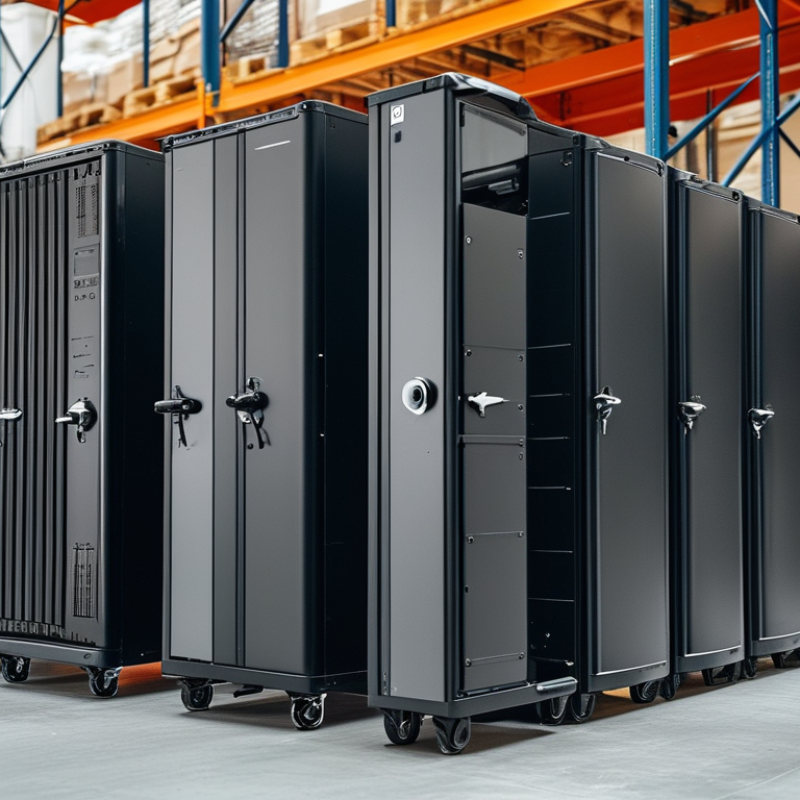
Motorized mobile storage solutions offer convenience and efficiency for various environments. Understanding key features and benefits can help in making informed choices. These systems are designed to maximize space usage by minimizing aisle width. This creates room for more storage without compromising accessibility.
One notable benefit is ease of use. Motorized systems can reduce manual labor. They operate with the push of a button, making access to items easier and quicker. This design minimizes physical strain and improves workflow. Investing in quality options can enhance long-term storage capabilities.
When selecting a motorized storage system, consider your specific needs. Evaluate the size of your space and the types of items you will store. It's also wise to examine the system's load capacity and speed. Review case studies or testimonials to understand real-world performance. Test before finalizing your choice; experience is crucial.
Evaluating load capacity is crucial when choosing motorized mobile storage solutions. The right equipment must meet industry standards to ensure safety and efficiency. According to the American National Standards Institute (ANSI), mobile storage systems should support specified load ratings, typically between 500 to 2,500 pounds per unit. It’s essential to check these ratings against your anticipated storage needs.
Another important consideration is the distribution of weight. Industry studies highlight that improper weight distribution can lead to mechanical failure or accidents. For instance, the International Organization for Standardization (ISO) emphasizes the need for balanced loading to maintain stability. Users often overlook this aspect, leading to increased maintenance costs and potential hazards.
When assessing load capacity, consider your specific environment. Are the floors reinforced? Is there enough clearance for maneuvering? Research indicates that nearly 30% of mobile storage failures stem from environmental miscalculations. Thus, thorough evaluations of both product specifications and facility conditions are key. Balancing these factors can lead to informed decisions and ultimately safer, more effective storage solutions.
When considering motorized mobile storage solutions, assessing space efficiency is crucial. In tight environments, maximizing every square foot can make a significant difference. Compact designs and modular systems often help in utilizing vertical space. These strategies create additional room without a complete overhaul of existing layouts.
One effective way to enhance storage is by using adjustable shelving. This allows for customization based on changing needs. Regularly reassessing the height and width of items stored can lead to smarter organization. Eliminating underused areas boosts productivity and encourages better flow.
Planning for mobility adds another layer of efficiency. Utilize mobile shelving units that can be moved as needed. This flexibility not only optimizes space but also adapts to workflow changes. It’s vital to choose systems that can accommodate growth or shifts in storage needs. Consider the future when designing storage solutions. This proactive approach prevents the common issue of inadequate space later on.
This chart illustrates the effectiveness of various motorized mobile storage solutions in maximizing space efficiency in limited areas. The data represents the percentage of space utilized for different types of mobile storage systems.
When considering motorized mobile storage solutions, it's essential to focus on smart features that enhance efficiency and user experience. Modern systems integrate technology in various ways. For example, some systems utilize sensors that detect when space is needed and adjust accordingly. Reports indicate that smart mobile storage solutions can improve space utilization by up to 40%. This means an optimized workspace often leads to increased productivity.
User-friendly interfaces are another vital aspect. Many systems now incorporate touchscreens and mobile applications that allow users to track inventory and request access remotely. A study highlights that users can save approximately 30% of their time when using technology-driven storage systems. This time-saving feature can significantly impact operational efficiency and overall workflow.
Consider the flexibility of the technology. Systems should accommodate future upgrades or integrations. Reflect on whether your current setup can adapt to advancements in technology. Often, outdated systems hinder progress. For improved decision-making, it's helpful to research available features thoroughly. Doing so ensures that the selected solution meets both current and future needs.
When considering motorized mobile storage solutions, budget analysis is vital. The initial investment can seem daunting. According to industry reports, the average upfront cost for these systems ranges from $10,000 to $50,000, depending on size and functionality. However, these figures can be misleading. Long-term savings often outweigh these initial expenses.
Operating costs decrease significantly due to increased efficiency. Businesses report up to a 30% reduction in labor expenses with mobile storage. Moreover, optimizing space leads to fewer square footage requirements. A study indicated that organizations could save approximately 25% in real estate costs when implementing these solutions. It’s important to remember that while upfront costs vary, careful planning can ensure your investment pays off.
Consider assessing your current storage needs. Look at daily operations—inefficient systems often waste time and resources. Additionally, plan for unexpected expenses. Maintenance and upgrades may be necessary, which can alter your budget. Always set aside a contingency fund for unpredicted costs. Investing wisely can foster long-term benefits, transforming your storage approach.
: Load capacity is crucial for safety and efficiency. It ensures systems can support necessary weights.
Load ratings usually range from 500 to 2,500 pounds per unit. Check these against your needs.
Improper weight distribution can cause mechanical failure or accidents. Balanced loading maintains stability.
Consider reinforced floors and clearance for movement. Environmental miscalculations can lead to failures.
Adjustable shelving allows customization based on changing needs. This leads to smarter organization and productivity.
Mobile shelving units can be moved as needed. This flexibility optimizes space and adapts to workflow.
Smart mobile storage systems can utilize sensors for space adjustments. They improve space utilization significantly.
Touchscreens and apps allow inventory tracking and access requests. This can save users time and improve efficiency.
Systems should be flexible for future upgrades. Outdated technology can hinder progress and efficiency.
Regular evaluations can lead to better organization. This helps eliminate underused areas and boosts productivity.
Motorized Mobile Storage solutions offer a highly efficient way to manage and optimize storage space, particularly in environments with limited area. Understanding key features and benefits of these systems is essential for making informed choices. Factors like load capacity must be evaluated against industry standards to ensure that the storage solutions meet specific requirements.
Additionally, integrating smart technology can enhance the functionality of Motorized Mobile Storage, providing advanced features that simplify operations. A detailed cost analysis can help in budgeting for both the initial investment and potential long-term savings, making it crucial for organizations to assess their financial commitments alongside their storage needs. By considering these aspects, businesses can effectively adopt motorized solutions that align with their operational goals.

Shibang Storage Rack