Choosing Steel Containers for global shipping in 2026 requires more than comparing prices. Container design affects cargo safety, loading efficiency, insurance confidence, and delivery performance. A box that looks strong may still have hidden corrosion, damaged door seals, or weakened corner posts. Small defects can become serious during ocean crossings, port handling, and long inland journeys.
This guide examines practical choices for exporters, manufacturers, and logistics teams. It considers container grade, internal dimensions, payload limits, ventilation, flooring, locking systems, and weather resistance. Real shipping conditions matter. A humid route may demand different protection than a dry regional service. Heavy machinery needs careful weight distribution. Fragile equipment may require liners, blocking, or custom restraints. Specifications should be checked against current carrier requirements and recognized container safety documentation.
There is no universal best container. That assumption often causes expensive mistakes. The cheapest unit may need repairs before departure. A newer container may still be unsuitable for oversized cargo. Buyers should inspect the roof, floor, hinges, welds, and identification plates. They should also confirm inspection records, maintenance history, and compatibility with planned transport modes. Details can change by route, cargo, and supplier. This article offers a reliable framework, but professional inspection remains valuable for high-risk shipments. Some decisions will still involve judgment. That is part of the work.
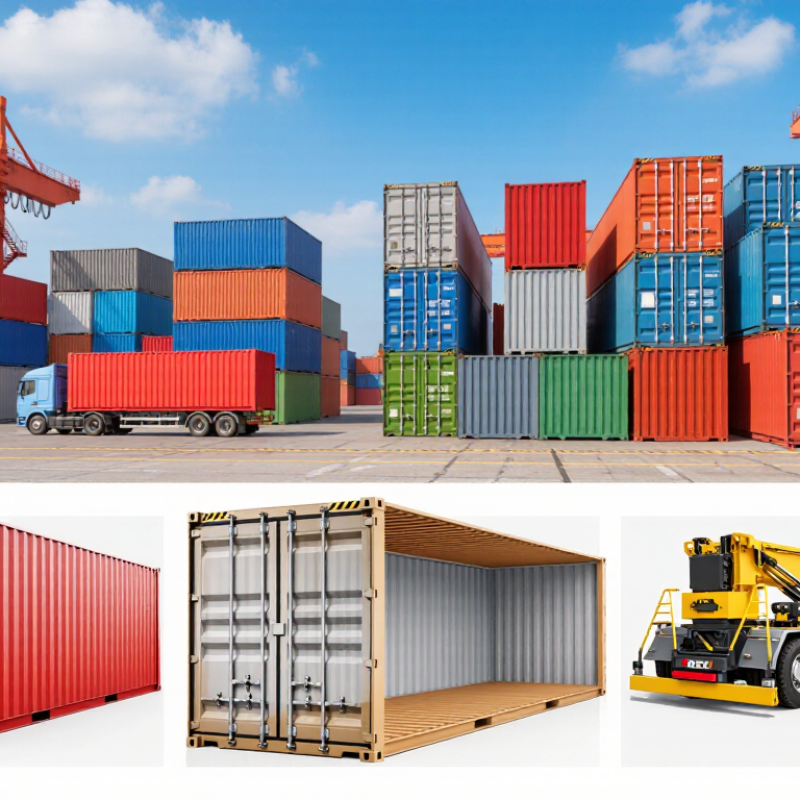
Container Types and Their Roles in Global Shipping
How to Choose Steel Containers for Global Shipping in 2026?
Container Types and Their Roles in Global Shipping
Choosing a steel container starts with the cargo, not the route. A standard dry container suits boxed goods, machinery parts, and packaged materials. Its sealed walls provide practical protection against rain, dust, and handling impacts. A high-cube version offers extra internal height. This space helps when cargo is bulky but not unusually wide.
Temperature-sensitive products need refrigerated containers, often called reefers. They maintain controlled conditions during long ocean journeys and inland transfers. However, temperature records require regular checking. A reefer cannot correct poor packaging or careless loading.
Open-top containers support overhead loading with cranes. They work well for tall machinery and heavy units. Flat-rack containers handle oversized cargo that exceeds normal width or height. Their exposed sides demand careful securing and route planning.
Tank containers are designed for approved liquid cargo. They need suitable certifications, compatible materials, and trained handling teams. In port operations, I have seen small measurement errors create costly delays. A container may fit the cargo but fail the door, crane, or road limits. Measure every item, including pallets and protective frames. Leave clearance for airflow when required. Perfect planning is rare. Recheck the details. Balancing container type, cargo weight, loading method, weather exposure, and destination infrastructure creates a safer shipping plan.
Cargo Requirements, Dimensions, and Steel Specifications
How to Choose Steel Containers for Global Shipping in 2026?
Cargo requirements should guide the container choice, not simply the lowest purchase price. UNCTAD’s Review of Maritime Transport 2024 reports that global seaborne trade reached about 12.3 billion tonnes in 2023. That scale makes consistent dimensions and verified structural safety essential. For general cargo, ISO 668 lists common external lengths of 6.058 metres and 12.192 metres. Both are about 2.438 metres wide and 2.591 metres high. Internal dimensions are smaller and vary by design. Measure pallets, doors, and forklift clearance before ordering. Small errors become expensive delays.
Check the cargo mass, centre of gravity, moisture exposure, and loading method. A container’s maximum gross mass includes both cargo and tare weight. Never treat the rated payload as an automatic target. The CSC safety approval plate must match the unit’s actual inspection status. For steel, ask for documented grades, thicknesses, weld procedures, and corrosion protection. Weathering steel can resist atmospheric exposure, but it is not maintenance-free near saltwater. Inspect corner castings, floor cross-members, door seals, and roof panels. Look closely.
Industry specifications often appear precise, yet field conditions are less tidy. A heavy machine may fit dimensionally but overload one floor section. Uneven loading can also increase lashing forces during rough seas. ISO 1496 testing provides useful structural benchmarks, but paperwork alone cannot replace a physical inspection. I would recheck the payload calculation after packaging, especially when timber skids or moisture barriers are added. UNCTAD’s continuing warnings about port congestion also support choosing containers with clear inspection records and fewer repair uncertainties.
Durability, Safety, and International Compliance Standards
How to Choose Steel Containers for Global Shipping in 2026?
Durability, Safety, and International Compliance Standards
Steel containers face salt spray, lifting shocks, temperature changes, and repeated handling. For global shipping in 2026, durability starts with the container’s structure. Choose corrosion-resistant steel with clean welds and minimal surface distortion. Inspect the corner castings, locking rods, hinges, roof, and floor before loading. The doors should close evenly, while the rubber gasket should remain flexible and unbroken. Small defects become expensive problems overseas. Measure twice.
Safety also depends on accurate weight control and secure cargo placement. Confirm the container’s tare weight, maximum gross mass, and payload rating. Check that the floor can support concentrated loads, such as machinery feet or dense crates. Use approved lashing points and suitable restraints. A practical loading inspection should include photographs, seal records, and a signed condition report. These details improve traceability when damage claims arise.
International compliance requires more than a familiar shape. Look for a valid CSC safety approval plate and documentation matching the container’s identification number. ISO 1496 requirements can support checks on dimensions, strength, and testing, but route-specific rules may also apply. Customs, port, and carrier requirements can change. Verify current information with a qualified inspection body or shipping specialist. Some buyers rely too heavily on old certificates. That is an avoidable weakness. Reliable selection combines physical inspection, complete records, and standards verification before the container leaves the yard.
How to Choose Steel Containers for Global Shipping in 2026?
Maximum gross mass is the combined weight of the container, cargo, and any securing equipment. Standard 20-foot and 40-foot dry containers commonly carry a maximum gross mass of 30,480 kg, while 45-foot high-cube units are commonly rated at 32,500 kg. Always confirm the individual container’s safety approval plate before loading.
For international shipping, check the CSC safety plate, ISO container dimensions, SOLAS verified gross mass requirements, and the CTU Code for cargo securing. Actual ratings may vary by manufacturer, age, structural condition, and transport route.
Cost, Route Conditions, and Supplier Evaluation
In 2026, choosing a steel shipping container starts with the cargo, not the cheapest quotation. A reinforced unit may cost more, yet protect machinery from salt air, vibration, and repeated handling. Ask for the steel grade, wall thickness, tare weight, internal dimensions, and tested load limits. Check door seals with a simple paper test. Small gaps become expensive problems. Purchase price is only one line. Add inland haulage, port handling, inspection, repair, storage, and repositioning fees. A low initial price can lose its advantage quickly.
Route conditions should shape the specification. A short port-to-port journey differs from a rail-and-truck route through freezing regions. Coastal routes demand careful corrosion protection, especially around hinges and roof seams. Heavy rain makes drainage and sealed doors more important. For temperature-sensitive cargo, steel alone is not enough; plan suitable insulation or monitoring equipment. Ask the forwarder about transshipment, crane handling, and likely dwell time. Data may be incomplete. Record assumptions and price a reasonable delay.
Supplier evaluation needs evidence, not polished promises. Request recent inspection records, material certificates, production photos, and a clear warranty process. Verify capacity by checking lead times during peak season. Visit the facility when possible, or use independent inspection before payment. A supplier that answers technical questions precisely is usually safer than one offering vague discounts. Still, no audit removes every risk. I would compare two or three written quotations, then test one unit before ordering a fleet. That extra step feels slow. It often prevents faster losses.
Inspection, Customization, and Final Container Selection
Choosing steel containers for global shipping in 2026 requires more than comparing prices. Inspect the unit as if it will face salt air, rough handling, and long storage. Check corner posts, door bars, hinges, welds, and floor panels. Look for fresh paint hiding corrosion. A flashlight helps. Measure door alignment and confirm that locking rods move smoothly. Review inspection records, repair history, tare weight, and maximum gross weight. Photos are useful, but they cannot replace a physical inspection. I have seen a clean exterior conceal floor damage. That mistake becomes expensive later.
Customization should support the cargo, not decorate the container. Specify ventilation points, internal lining, tie-down rings, partitions, or reinforced flooring only when needed. Confirm compatibility with moisture, temperature changes, and cleaning methods. Request drawings before fabrication. Check weld quality and drainage paths after modification. Keep every change documented for inspectors, carriers, and warehouse teams. A small modification can affect payload, balance, and handling. It is easy to over-customize. I sometimes prefer a simpler unit because fewer additions mean fewer failure points.
Tips: Create a selection sheet with dimensions, payload, inspection date, repair limits, and destination conditions. Test doors with gloves. Place a ruler beside dents in inspection photos. Reject containers with uncertain structural repairs. Compare total operating cost, not purchase price alone. Before booking, match the final container number with the inspection report and shipping documents. If the cargo is sensitive, request an independent inspection. Do not rely on assumptions.
Conclusion
Choosing the right Steel Containers for global shipping in 2026 requires a careful balance of cargo needs, route conditions, safety, and total cost. Different container types serve different purposes, so shippers should first assess the cargo’s weight, volume, loading method, ventilation, temperature sensitivity, and handling requirements. Correct external and internal dimensions, suitable steel grades, corrosion protection, and structural strength are essential for efficient and secure transport.
Durability and compliance should also guide the decision. Containers must be inspected for sound doors, floors, corner fittings, welds, and weather resistance, while meeting applicable international standards and transport requirements. Buyers should compare supplier reliability, inspection records, customization capabilities, lead times, maintenance support, and lifecycle costs rather than focusing only on the initial price. By matching container specifications with the cargo and shipping route, then completing a thorough pre-use inspection, businesses can select dependable equipment that supports safer, more efficient, and cost-effective global logistics.

 Shibang Storage Rack