Engineered for absolute spatial efficiency, structural integrity, and long-term durability in high-demand environments.
In the current macroeconomic landscape, the rapid expansion of third-party logistics (3PL), e-commerce fulfillment, and advanced manufacturing has triggered unprecedented demand for warehouse space. Concurrently, industrial land acquisition costs have risen sharply in major global trade hubs across North America, Western Europe, and Asia-Pacific. To mitigate skyrocketing operational overheads without incurring the massive capital expenditure of greenfield facility construction, enterprises are turning to structural density optimization.
Industrial Mezzanine Racking Systems present a highly cost-effective engineering alternative. By utilizing the vacant overhead space (the vertical cube) of existing facilities, businesses can double or even triple their usable square footage. Unlike traditional concrete expansions, modular steel mezzanines offer flexibility, rapid deployment, and favorable asset depreciation tax benefits, making them a strategic choice for high-density storage management.
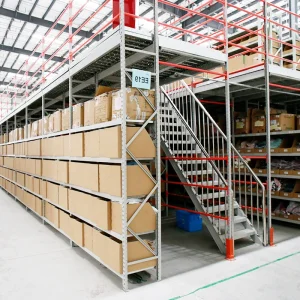
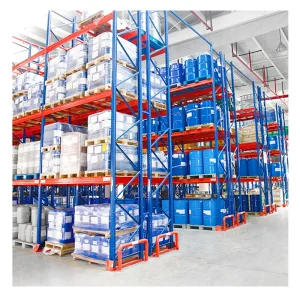
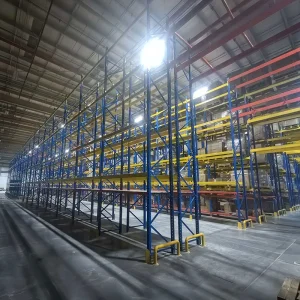
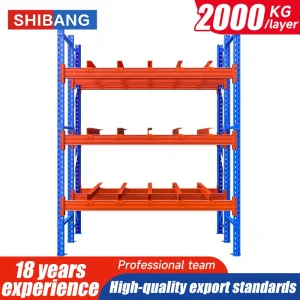
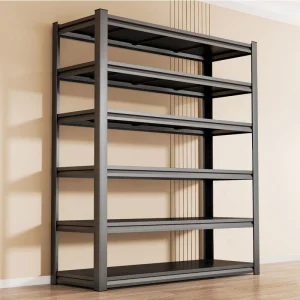
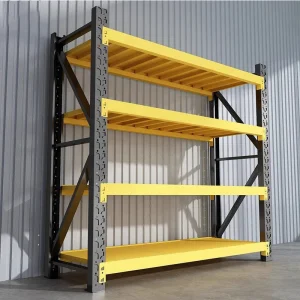
Utilizes underlying heavy-duty selective pallet racking or longspan shelving frames as the structural support members. Highly recommended for picking lines, SKU-intensive e-commerce hubs, and combined pallet-carton storage flows.
Engineered using heavy structural columns and I-beams, allowing for expansive column grids and high load-bearing capacities. Ideal for overhead manufacturing zones, offices, and heavy machinery integration.
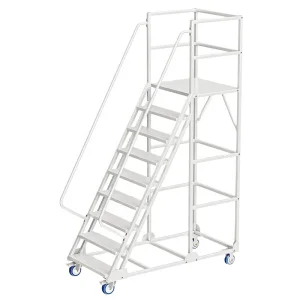
Combines standard shelving components with integrated walkways, stairs, and structural steel decking. Maximizes vertical inventory paths for manual picking and small-to-medium parts distribution centers.
Safety and performance in structural design depend directly on detailed loading calculations. Industrial mezzanine floors must withstand static dead loads (structural weight, racking weight) and dynamic live loads (personnel, forklifts, hand trucks, pallets). Structural engineers calculate these forces to specify column spacings, beam depths, and decking types, conforming to global safety standards.
| Application Class | Typical Live Load (kg/m²) | Structural Profile Recommendations | Suitable Flooring Types |
|---|---|---|---|
| Light Duty / Manual Picking | 300 - 500 | Cold-rolled steel sigma/C-channels | Pre-galvanized slotted steel planks, Plywood |
| Medium Duty / Hand Pallet Jacks | 500 - 800 | Heavy cold-rolled steel, Structural hollow sections | High-density particleboard, Open steel grating |
| Heavy Duty / AGV & Machinery | 1000 - 1500+ | Hot-rolled H-Beams, Universal Columns | Heavy-duty steel bar grating, Checker plate on steel decking |
Calculating structural deflection is critical for safety. For steel floor joists and beams, the maximum deflection under full live load is typically limited to L/360 (where L is the span length). This limits structural sway, preserves the integrity of upper-level installations, and helps prevent user fatigue.
Established in 2016, Guangdong Shibang Storage Rack Co., Ltd. has developed into a premier manufacturer of industrial warehouse racking and modular mezzanine storage solutions. Operating out of a state-of-the-art 35,000㎡ modern production facility, our company designs, manufactures, and supports storage installations for industrial and commercial operations globally.
With an annual export volume reaching approximately USD 18 million and 8 years of dedicated export operations, Shibang leverages over 15 years of industry experience in high-precision structural steel fabrication. We manage the full project lifecycle, from structural planning and finite element analysis (FEA) to Automated roll forming, electrostatic powder coating, and international logistics.
Modern Production Space
Annual Export Value
QC Inspection Specialists
Senior R&D Engineers
Our ISO 9001-certified processes span strict raw material reception testing, semi-finished product dimensional controls, weld structural checks, and paint thickness measurements. Supported by a network of over 1,200 reliable partners, we ensure material consistency, cost efficiency, and short production lead times for logistics contractors, system integrators, and distributors worldwide.
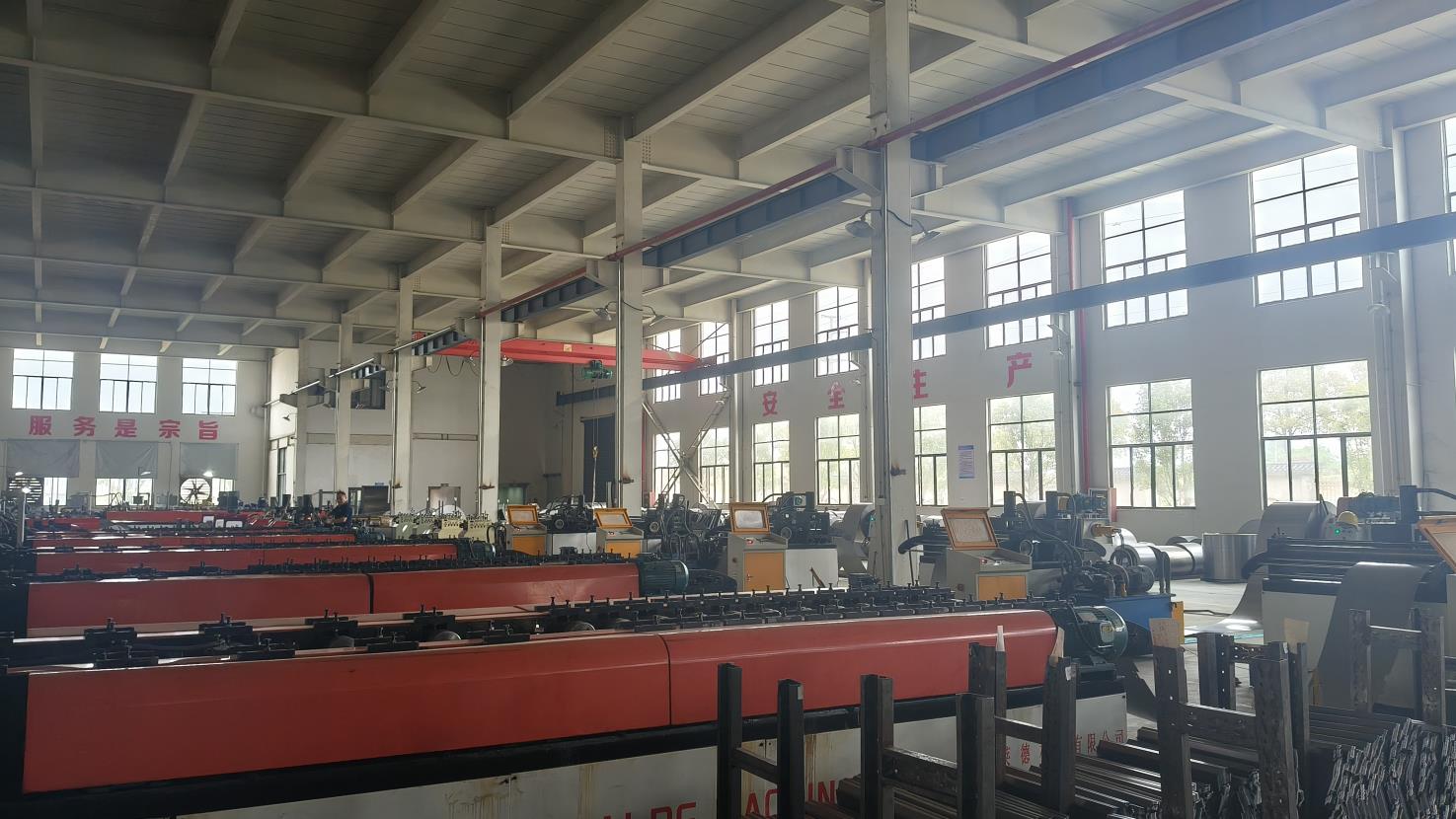
A look inside our 35,000m² facility showcasing high-precision machinery, automated processing lines, and quality control steps.
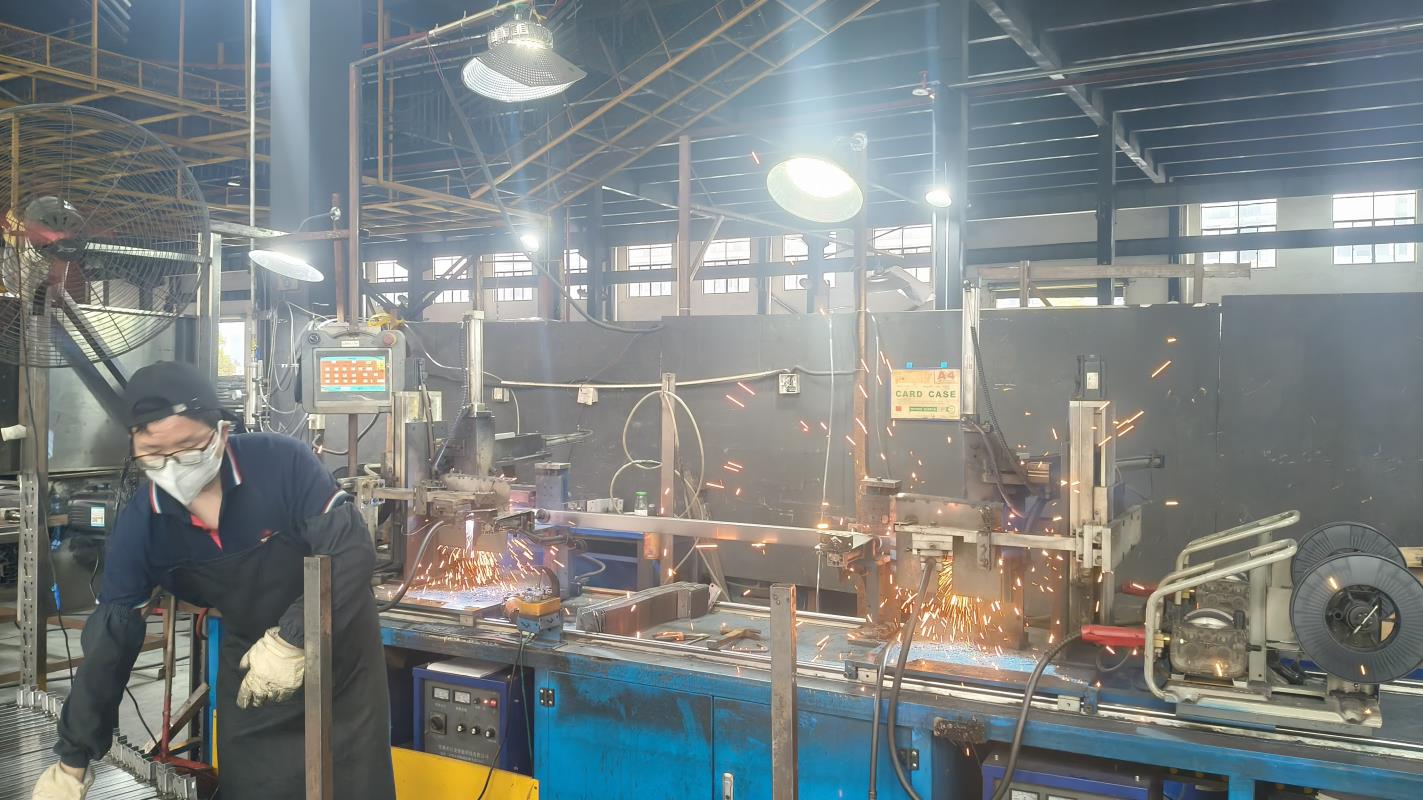
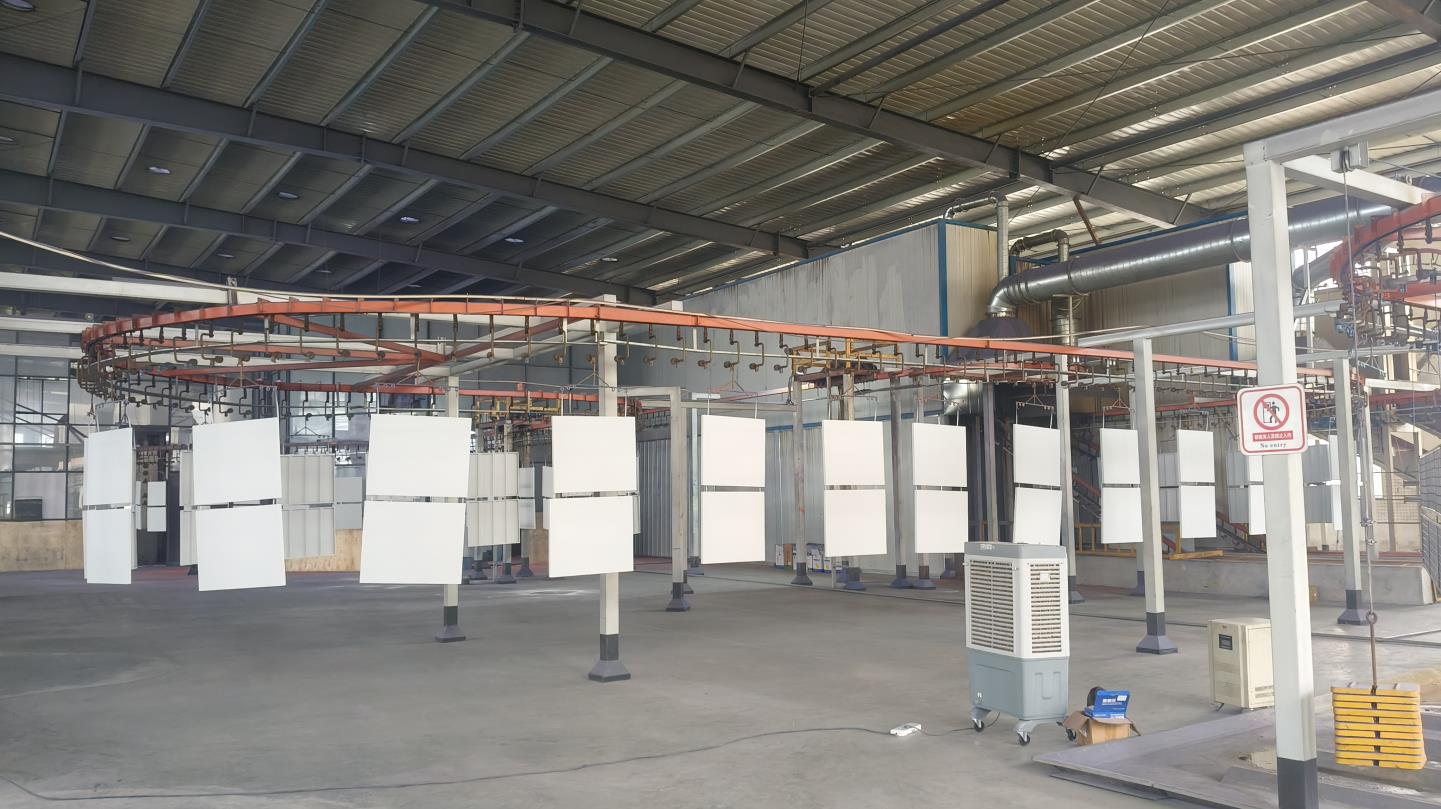
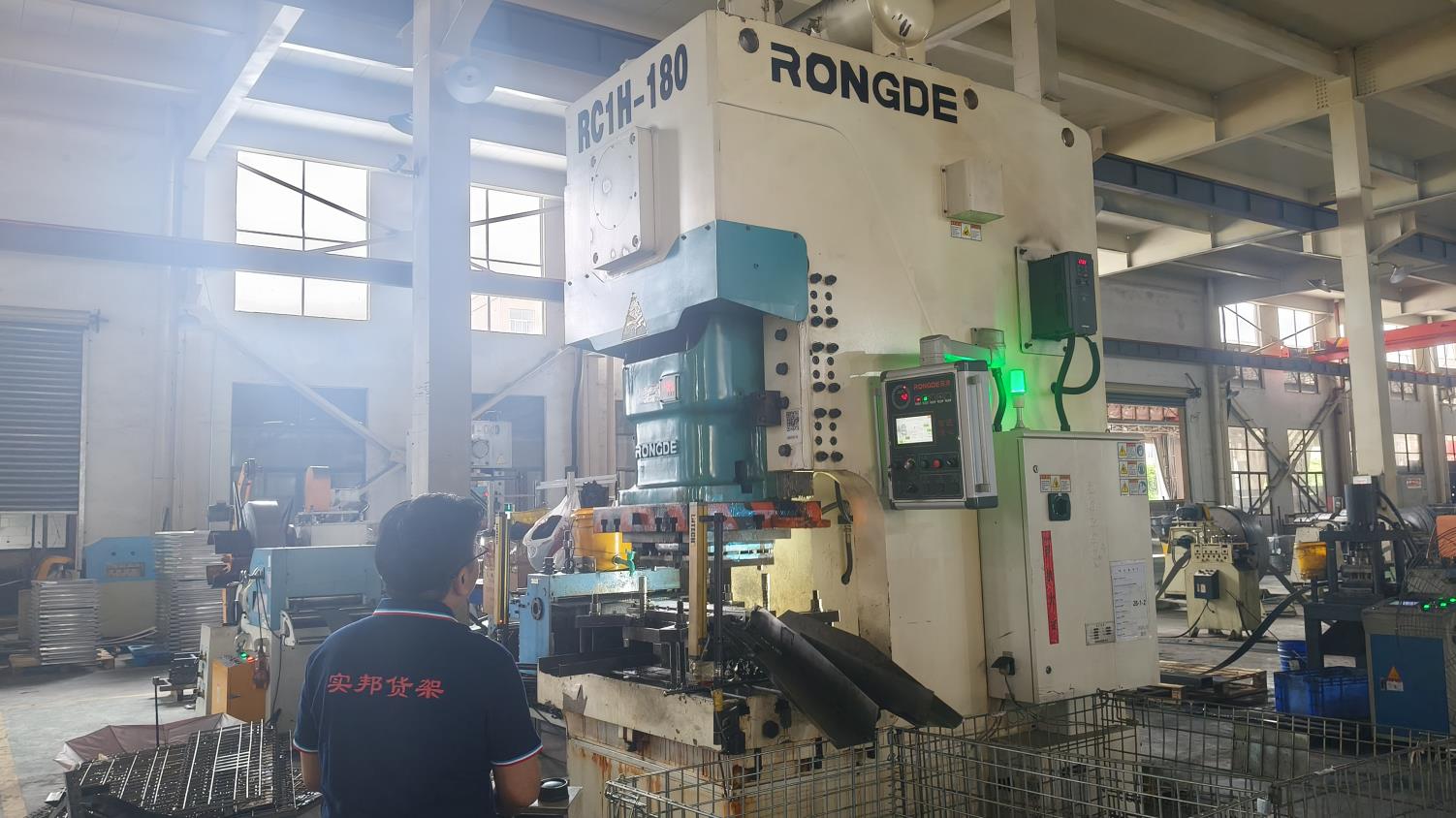
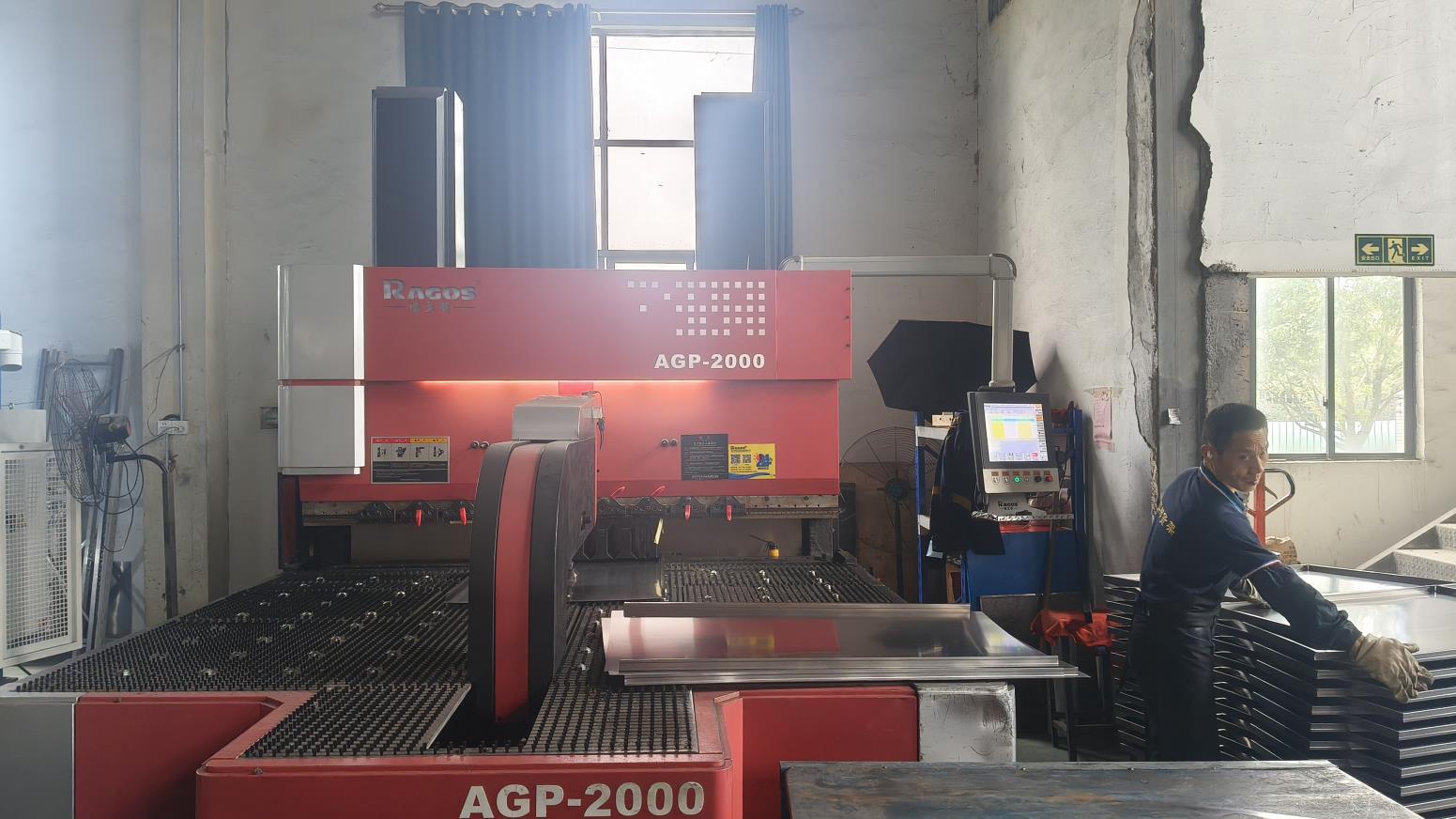
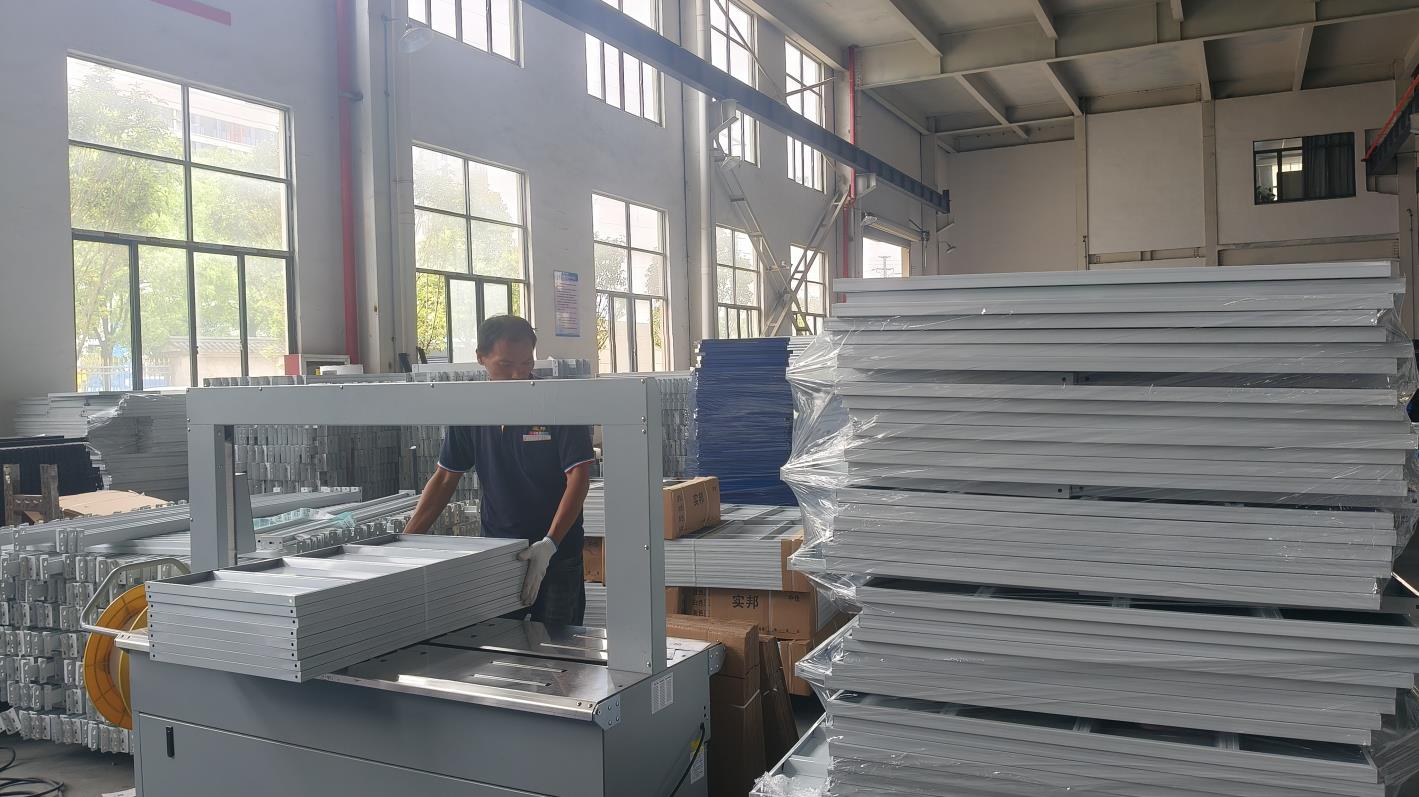
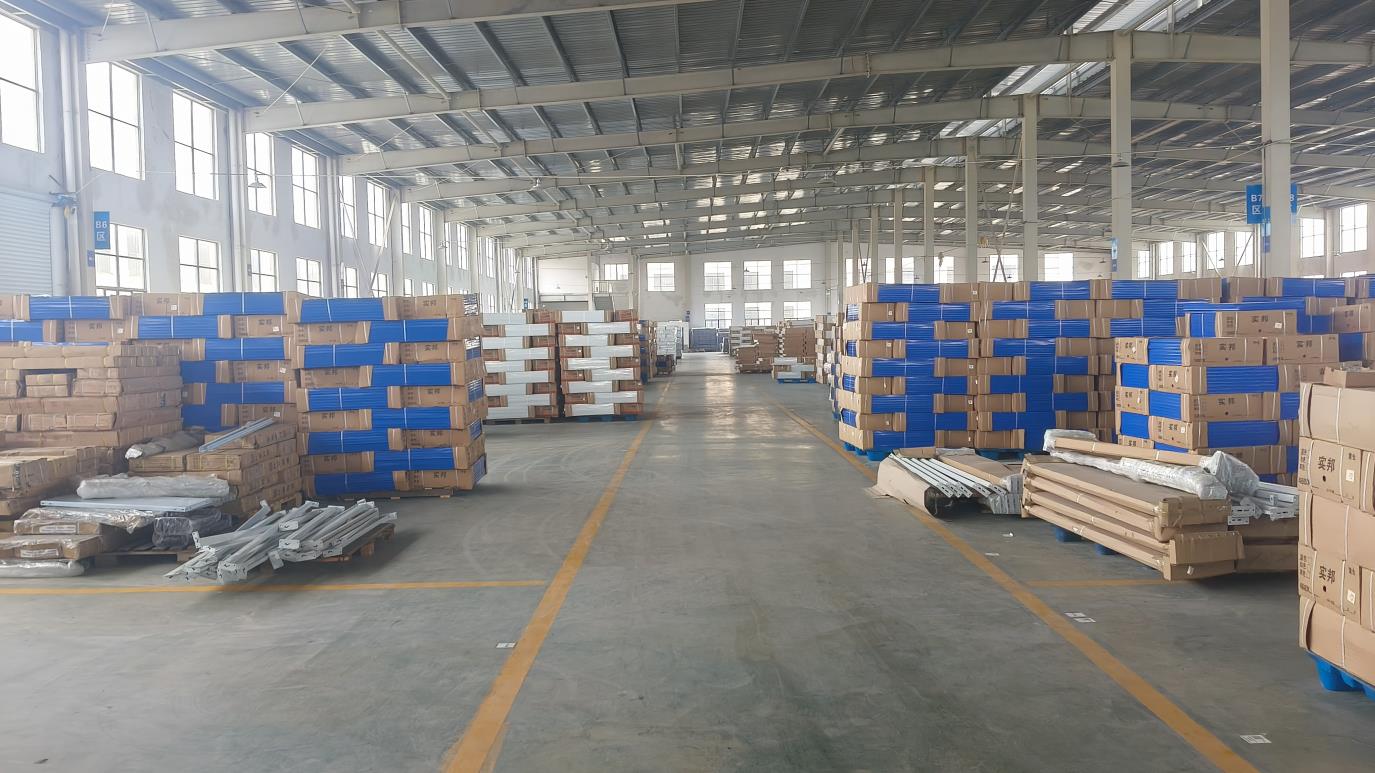
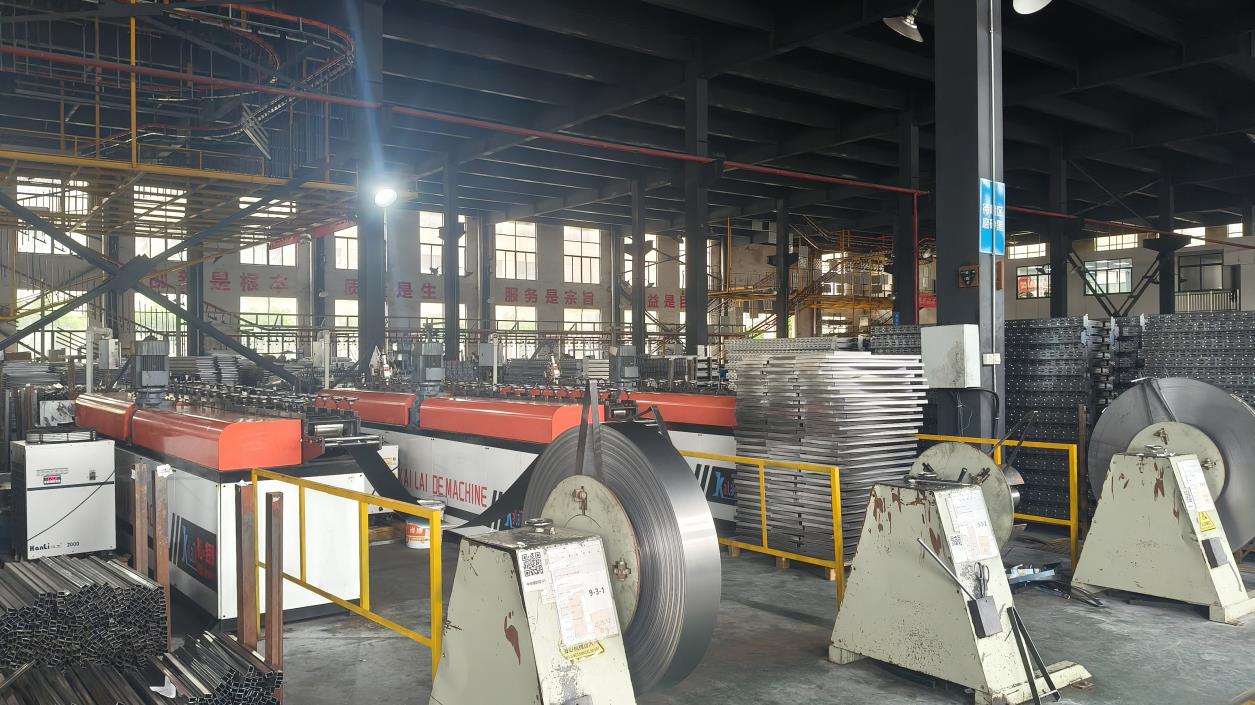
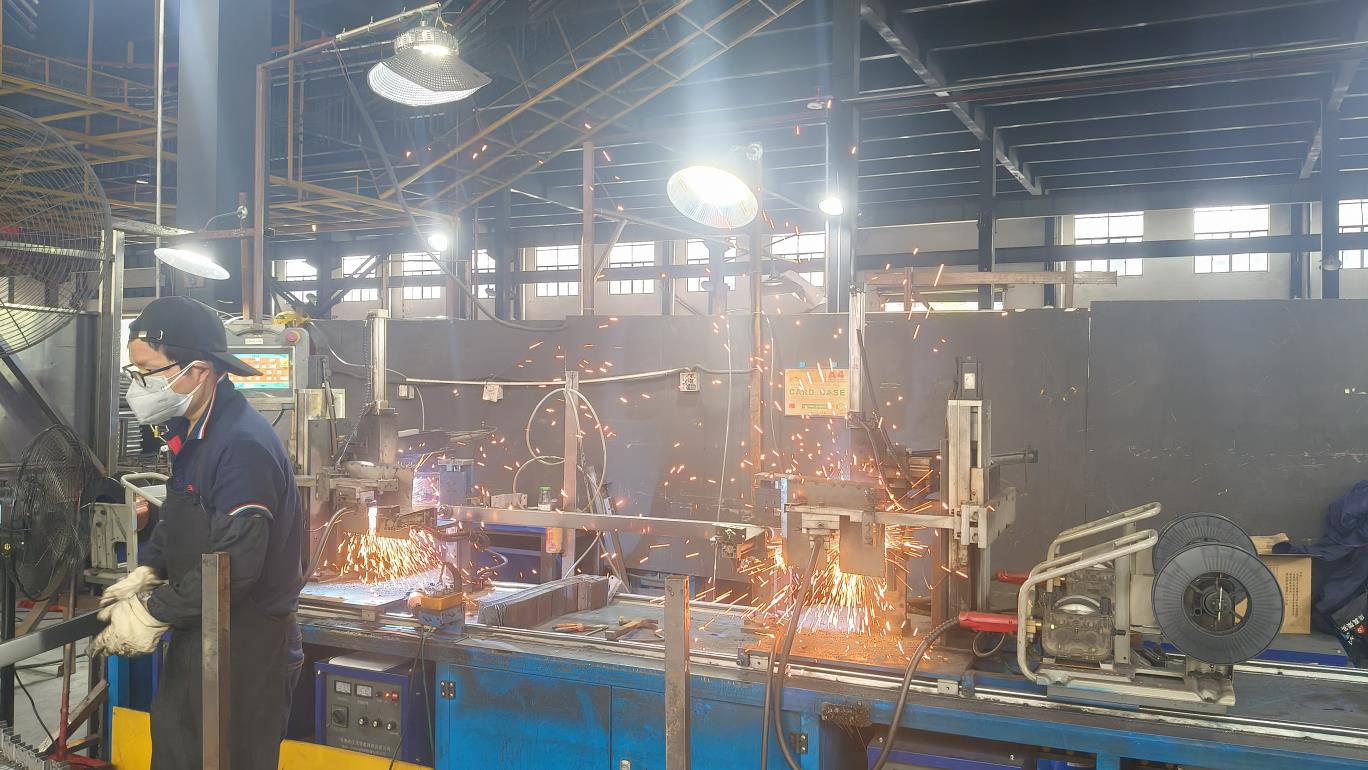
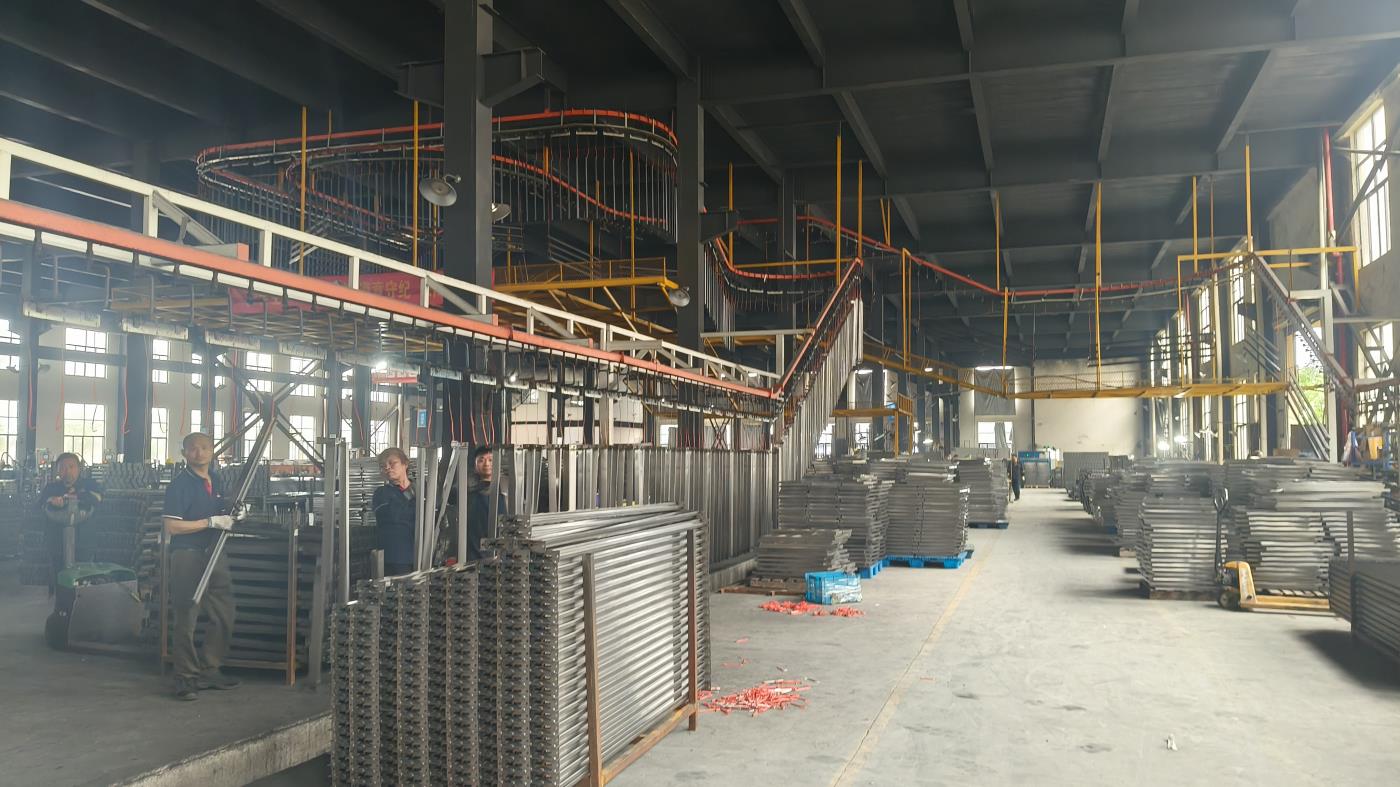
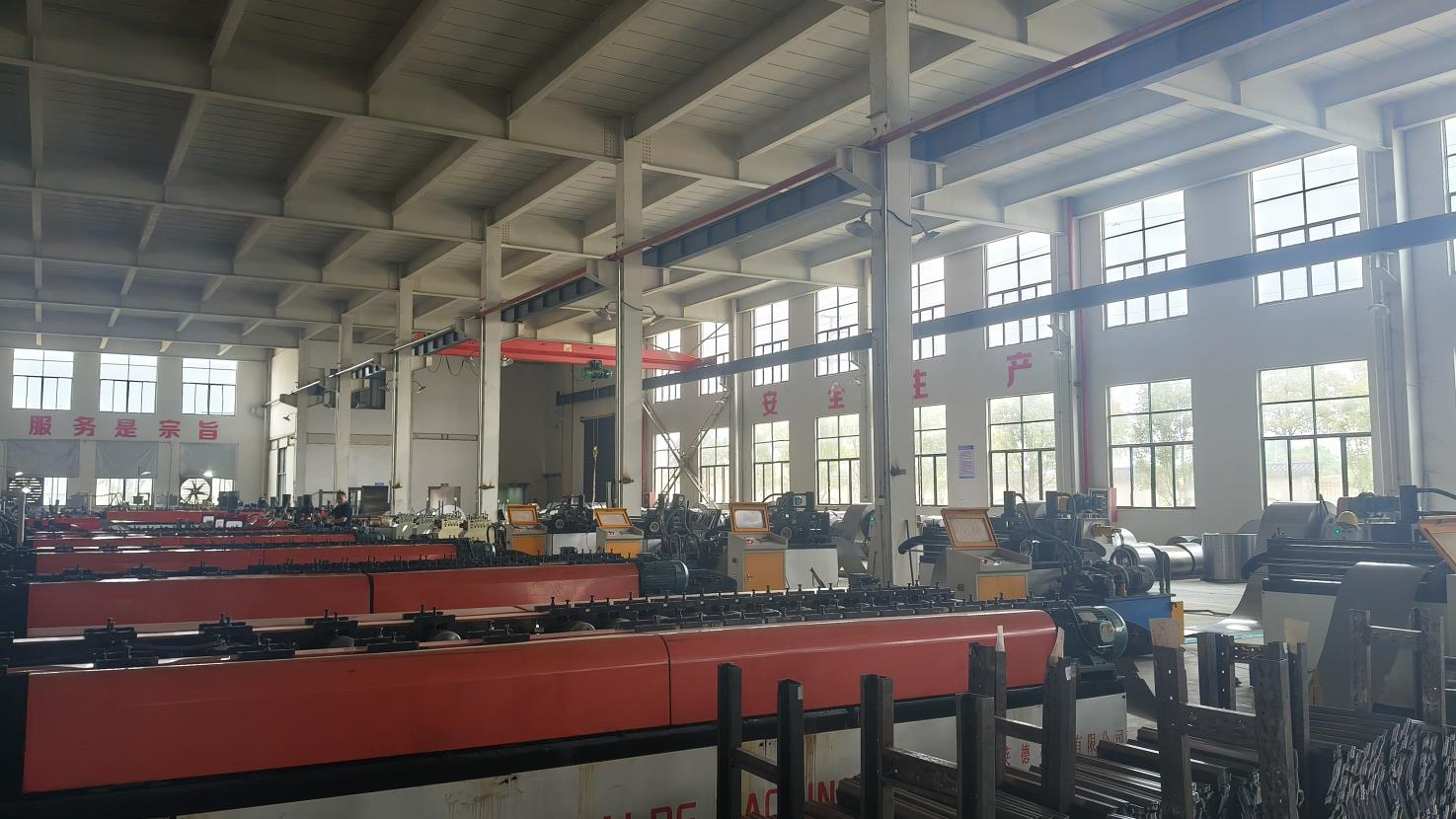
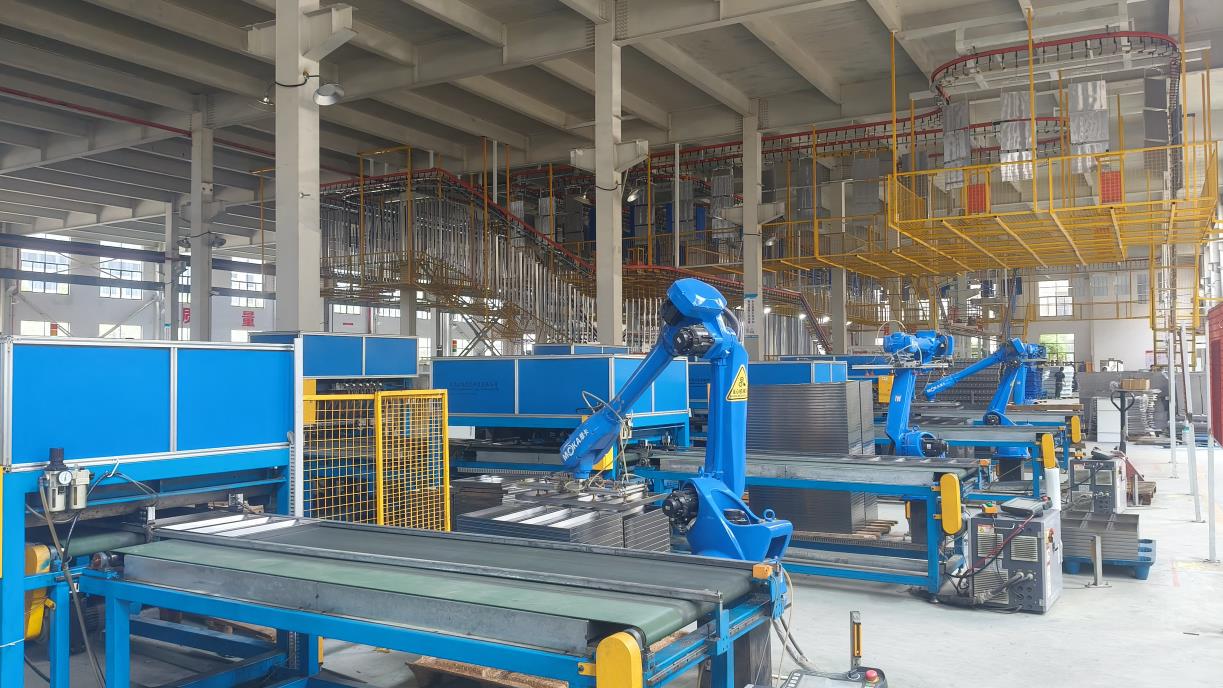
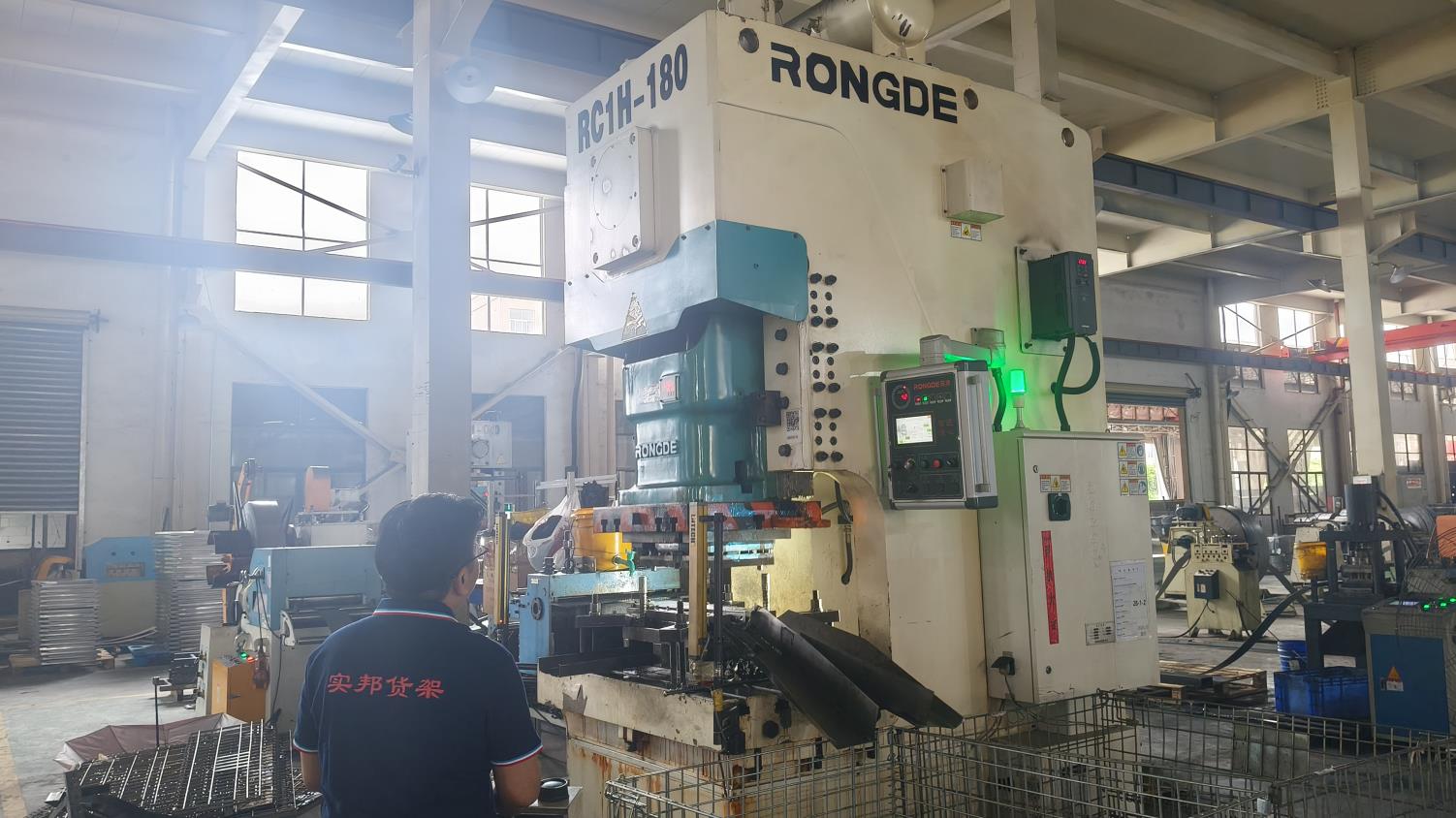
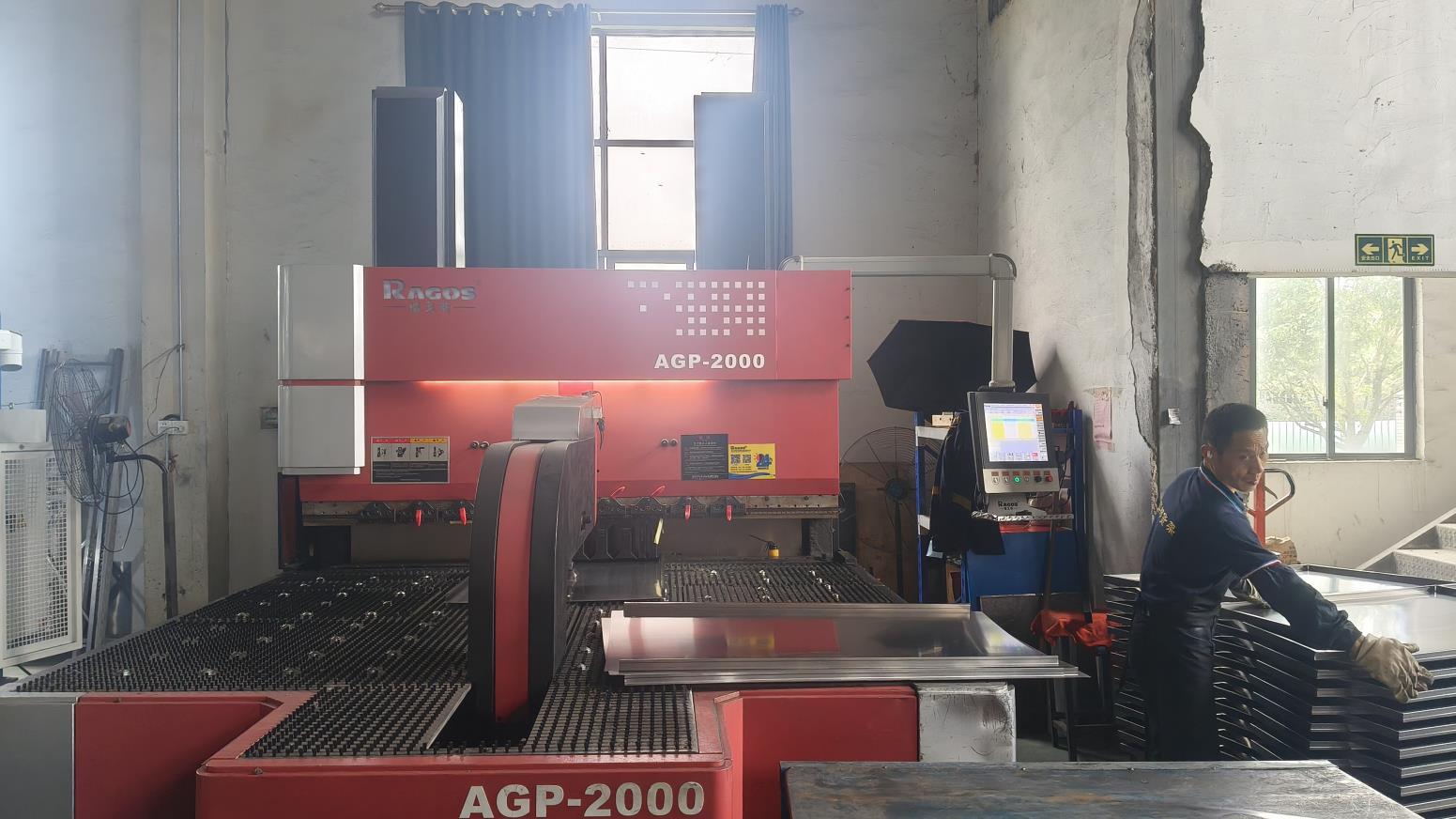
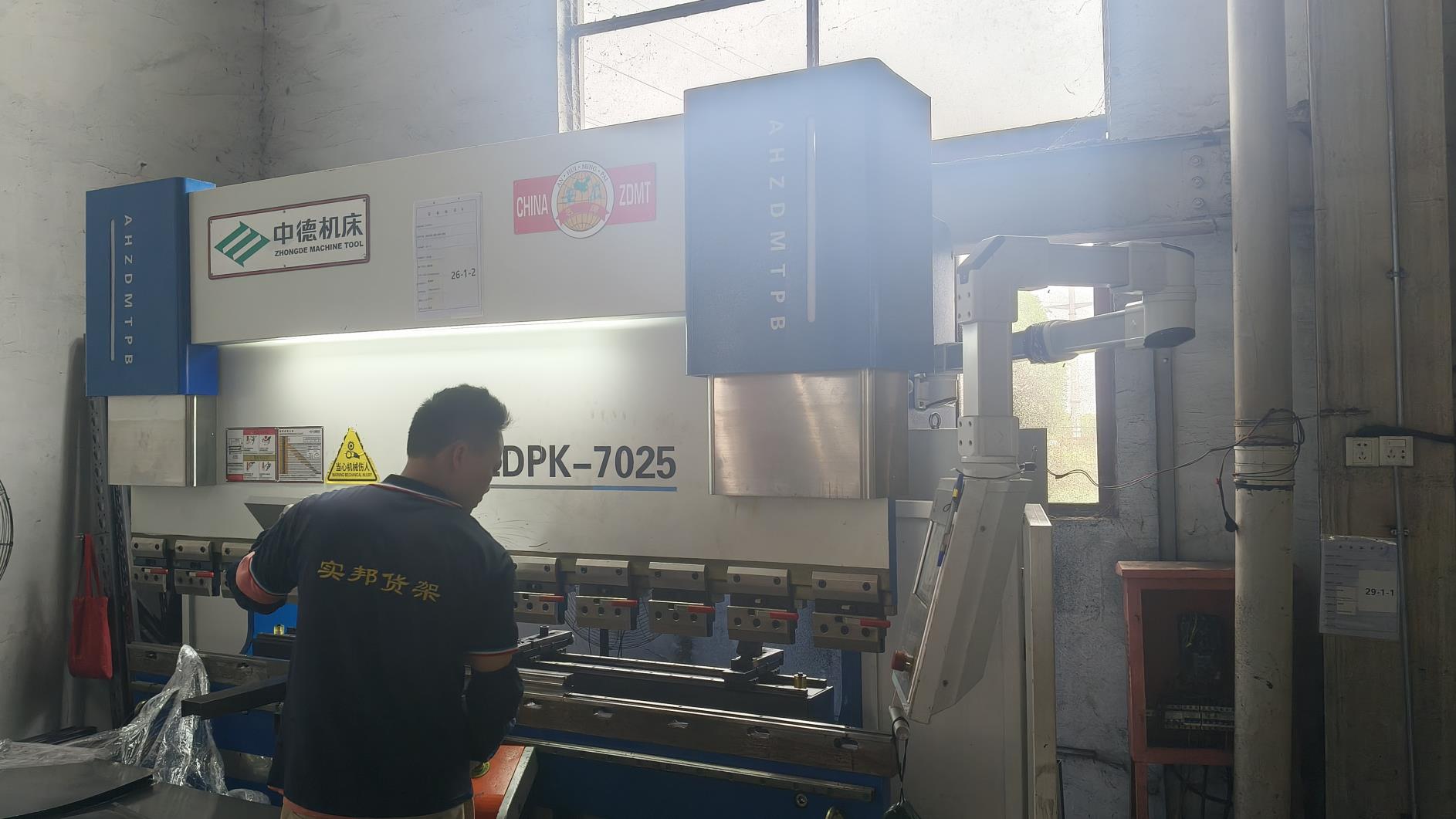
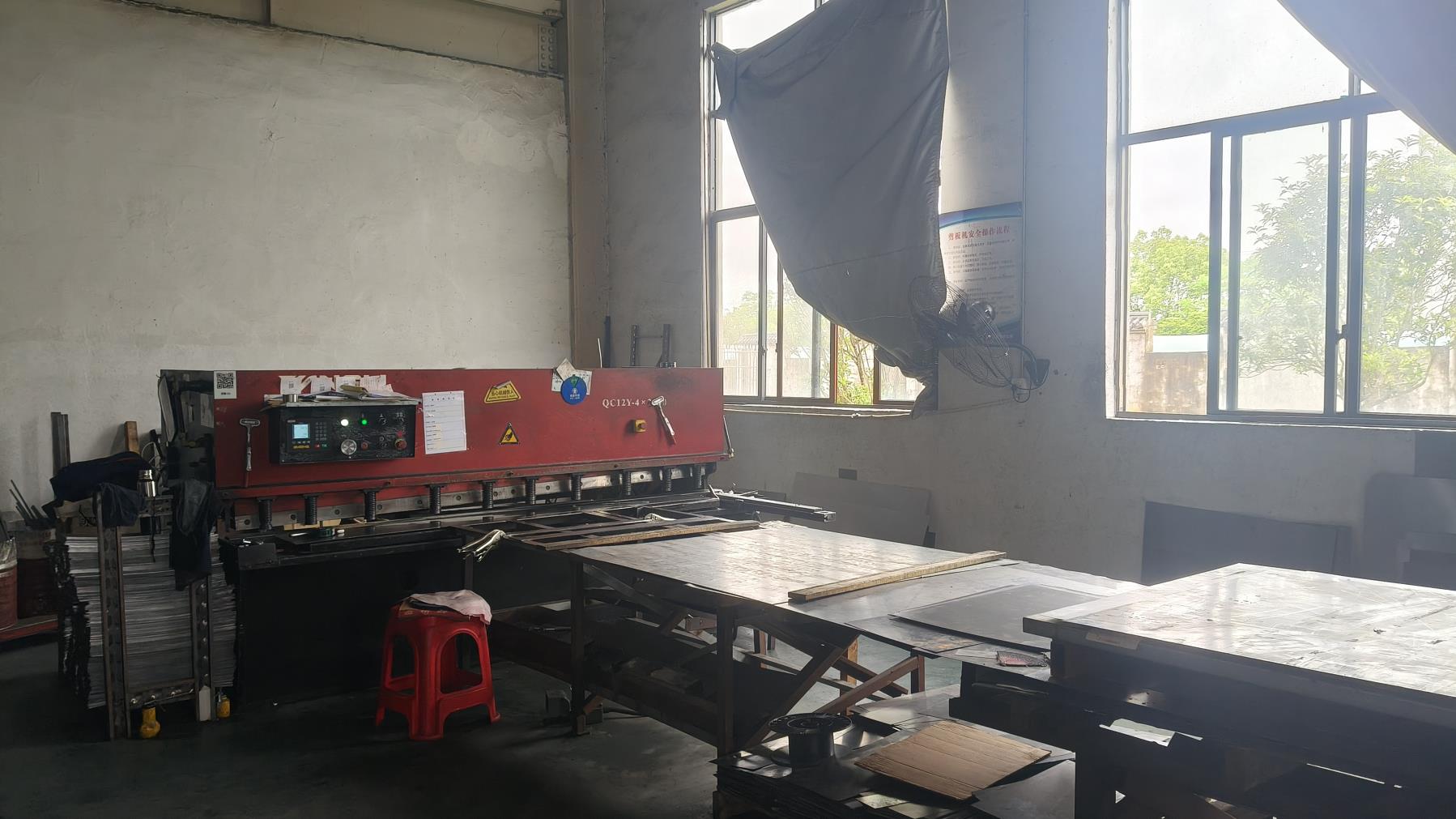
The performance of structural steel platforms depends heavily on material selection. At Shibang, we source structural-grade carbon steels, including Q235B and Q355B (equivalent to ASTM A36 and ASTM A572 Grade 50). These steels offer balanced yield strength and ductility, which are vital for components subjected to cyclic dynamic loads.
Our automated cold-roll forming processes shape profiles with tight tolerances. Standard upright frames feature customized teardrop or hex-hole patterns, enabling vertical adjustability at 50mm or 75mm increments. To protect components from corrosion, parts go through an intensive pre-treatment wash followed by electrostatic powder coating. This creates a hard, impact-resistant epoxy-polyester finish that resists abrasions, chemical spills, and oxidation.
For demanding environments, we offer hot-dip galvanized finishes. This treatment deposits a thick zinc coating, providing long-term protection in cold-storage freezers, outdoor platforms, and corrosive chemical warehouses.
Procuring structural equipment internationally requires compliance with local structural codes. A rack-supported mezzanine designed for one region may not meet regulations in another. Shibang works closely with regional engineering partners to ensure compliance with key international standards:
Our project team supports buyers through local permitting processes. We provide structural drawings, calculation reports, and finite element analyses to help facilitate approvals from local building authorities.
As automation transforms the supply chain, mezzanine platforms are shifting from static storage to integrated, multi-level hubs. Modern warehouses combine structural mezzanines with complex material handling systems to support automated picking and sorting.
Shibang works with automation integrators to design platforms that support Autonomous Mobile Robots (AMRs), Automated Guided Vehicles (AGVs), and high-speed conveyor lines. Heavy-duty structural columns reduce vibration, which is crucial for maintaining scanner and camera alignment on AMRs. Integrating Vertical Reciprocating Conveyors (VRCs), spiral chutes, and pallet drop gates ensures safe, efficient vertical transport between levels, protecting operators and product inventory.
We use heavy-gauge baseplates and additional bracing to isolate vibrations, protecting precise robotic guidance systems and high-speed sorters on the deck.
Flatness-controlled flooring options, including resin-coated structural steel or fiber-cement boards, prevent surface unevenness that can disrupt robotic navigation.
Specially designed safety barriers, kickplates, and mesh panels line all perimeter edges to prevent material falls and protect personnel on the ground floor.
Answers to common engineering, structural, and regulatory questions from operations managers and logistics planners.
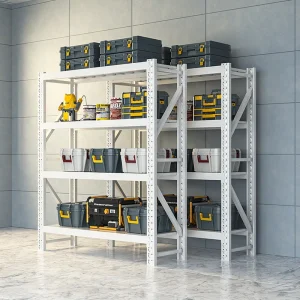
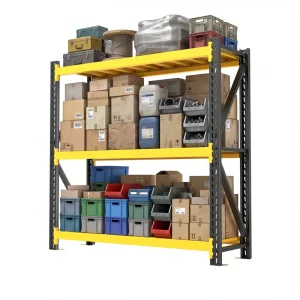
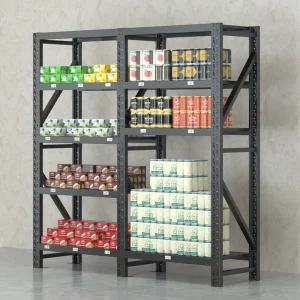
Explore our light-to-medium storage options, heavy-duty shelving, and warehouse support equipment.
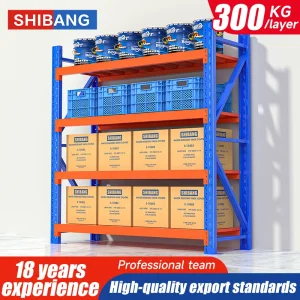
 Shibang Storage Rack