Engineered for high-intensity materials handling, port logistics, and automated warehouse applications across Seychelles and international trade corridors.
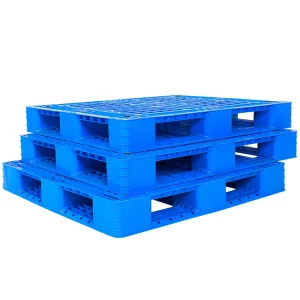
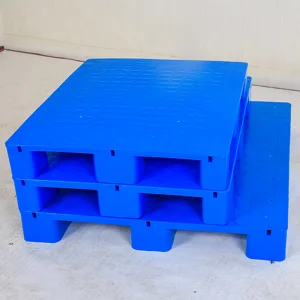
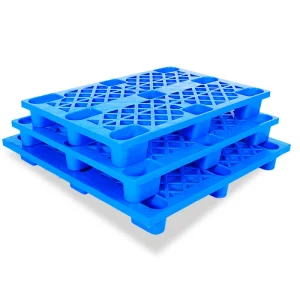
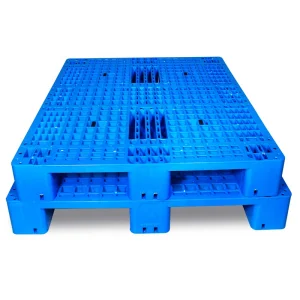
An in-depth analysis of materials handling, structural performance under tropical conditions, and global compliance standards.
Takamaka, situated strategically within the broader logistics grid of the Seychelles, serves as an increasingly critical node for local seafood distribution, agricultural logistics, regional retail distribution, and maritime import-export activities. Operating in an equatorial, coastal environment introduces severe challenges for standard warehousing infrastructure. High relative humidity, persistent atmospheric salinity, and UV exposure significantly accelerate the degradation of organic wood structures and low-grade plastics.
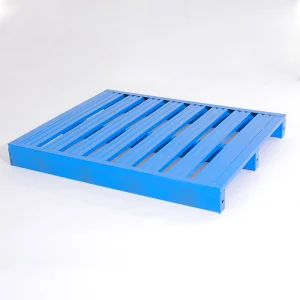
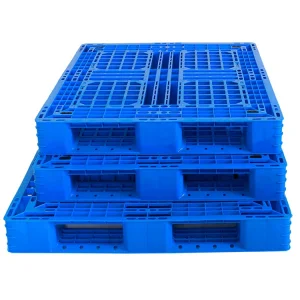
Modern enterprises operating in Takamaka are rapidly moving away from traditional wooden pallets. The structural vulnerability of wood to moisture retention, mold formation, and termite infestation poses significant supply chain risks—particularly in sensitive industries such as fisheries, food processing, and pharmaceuticals. As a result, the transition toward high-density polyethylene (HDPE) plastic pallets and galvanized steel racking systems has become a baseline operational standard. These advanced systems provide the required chemical inertia, corrosion resistance, and biological safety profiles to safeguard cargo integrity from port of entry to warehouse shelf.
Global procurement divisions require pallet designs that seamlessly bridge international borders. When importing to or exporting from Takamaka, supply chain managers prioritize components that align with global compliance and physical tolerance thresholds:
"Procurement officers must analyze the Total Cost of Ownership (TCO). While the initial capital expenditure for engineered polymer and steel systems is higher than wood, their 10x lifespan and elimination of phytosanitary delays reduce the per-trip cost by over 65% in long-haul loops."
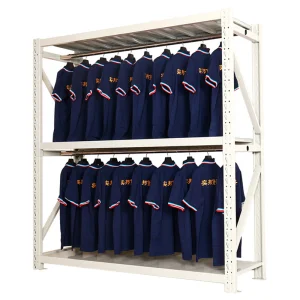
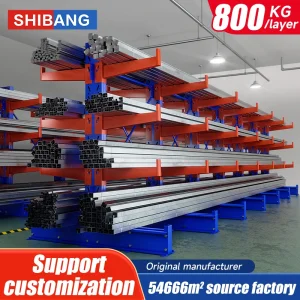
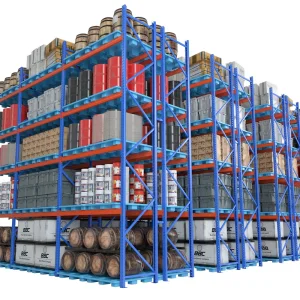
To maintain dimensional stability under the intense equatorial sun of Takamaka, our polymer formulations include specialized UV stabilizers (Carbon Black and HALS compounds). This prevents the cross-linking degradation of HDPE and PP molecules under solar stress. Furthermore, our premium steel racking systems utilize electro-powder coating and hot-dip galvanization processes. This creates a multi-layered barrier against chloride-induced oxidation, ensuring that cantilever, selective, and drive-in racks remain structurally sound for decades under high-stress conditions.
Your Global Partner for Advanced Warehouse Systems and Materials Handling Equipment
Established in 2016, Guangdong Shibang Storage Rack Co., Ltd. is a premier manufacturer specializing in warehouse storage racks, industrial shelving systems, and customized logistics assets. Operating out of a state-of-the-art 35,000㎡ modern production facility, we integrate raw material engineering, precise automatic stamping, and high-performance coating lines to serve clients globally.
Supported by a supply chain network of over 1,200 reliable partners, Shibang provides stable raw materials, efficient production capacity, and highly competitive pricing for global buyers. Our systems are engineered in compliance with ISO 9001 and international safety standards, making them a preferred choice for operators across the Americas, Europe, the Middle East, and growing hubs in the Indian Ocean region.
Inside our advanced production line: Where raw steel and high-grade polymers are shaped into industrial-grade storage solutions.
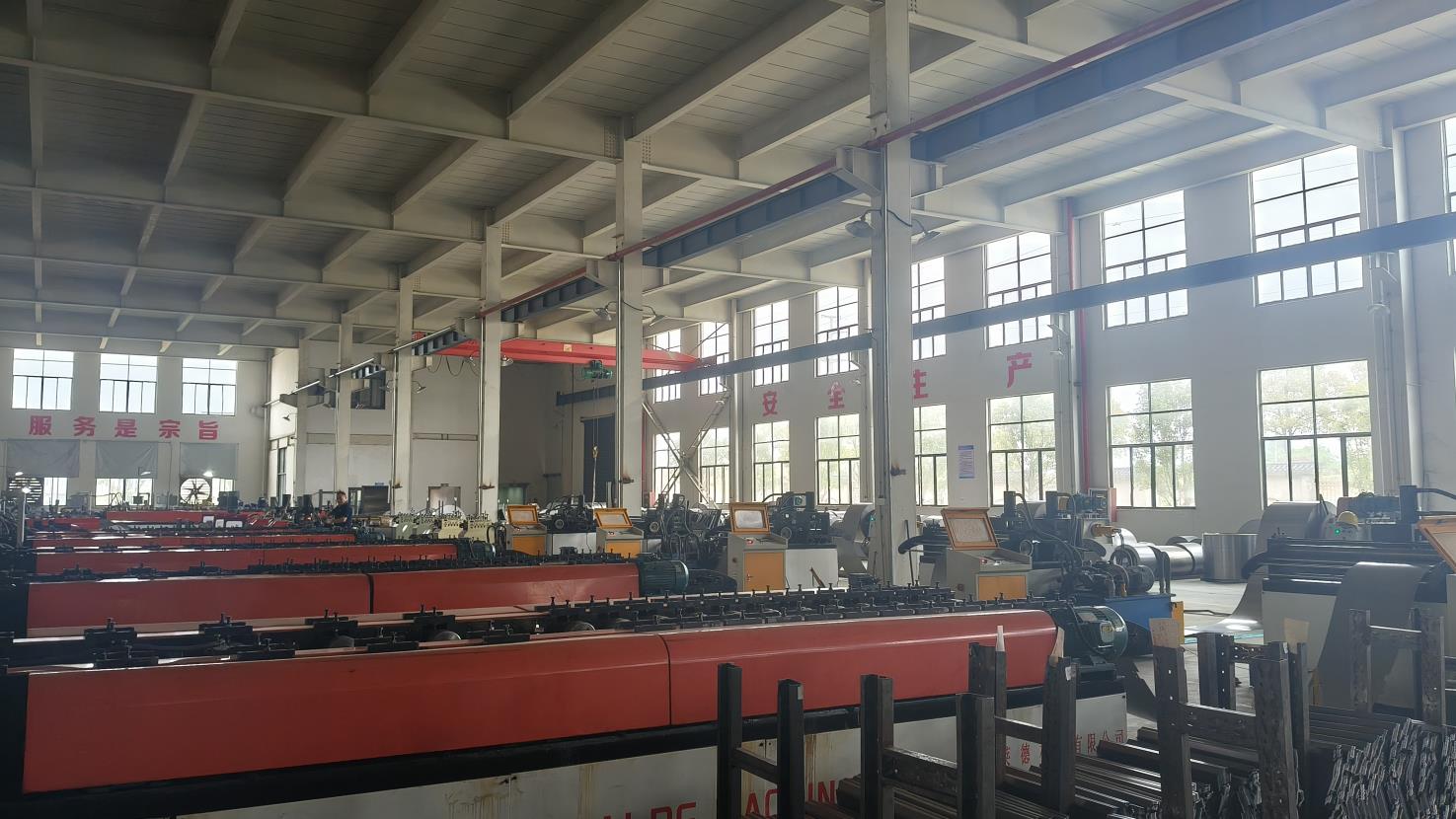
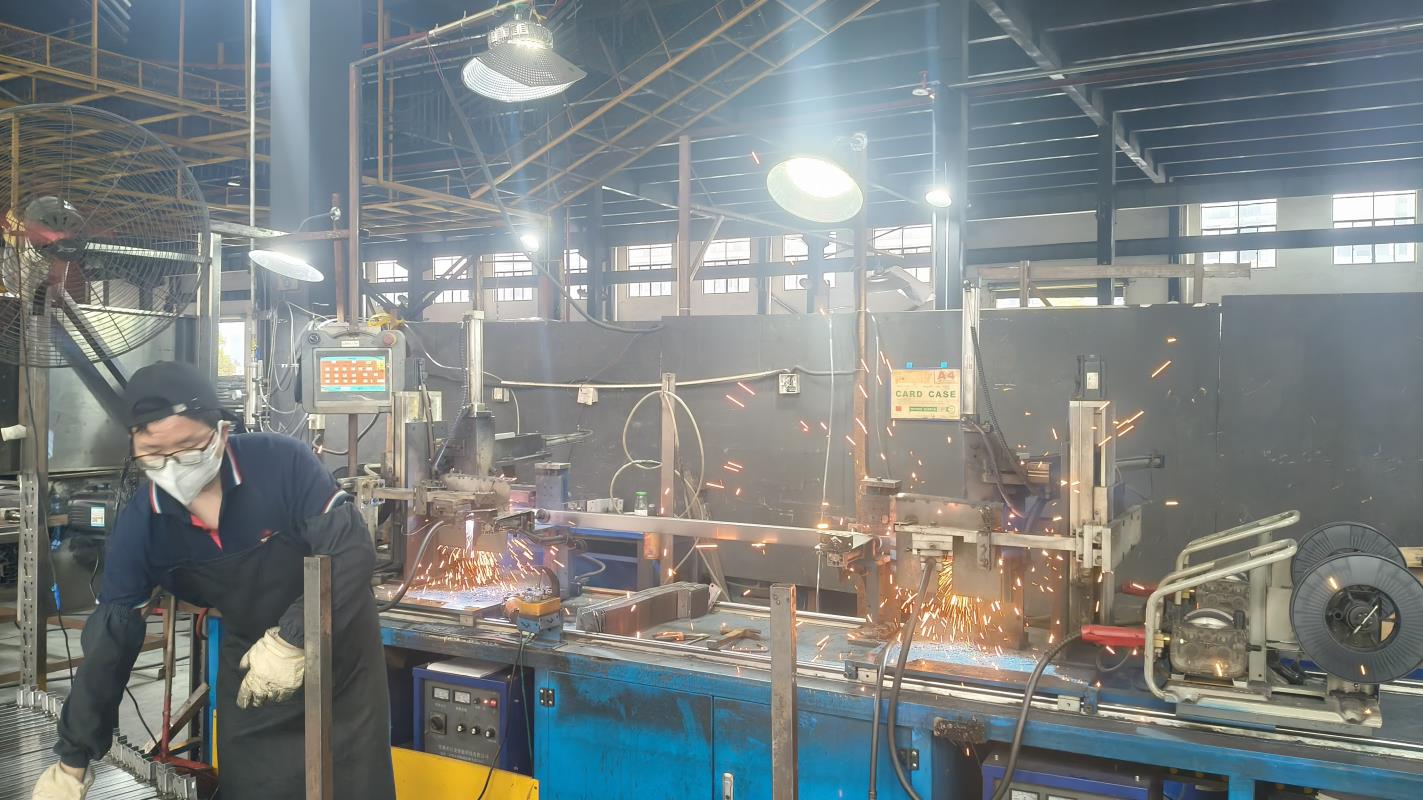
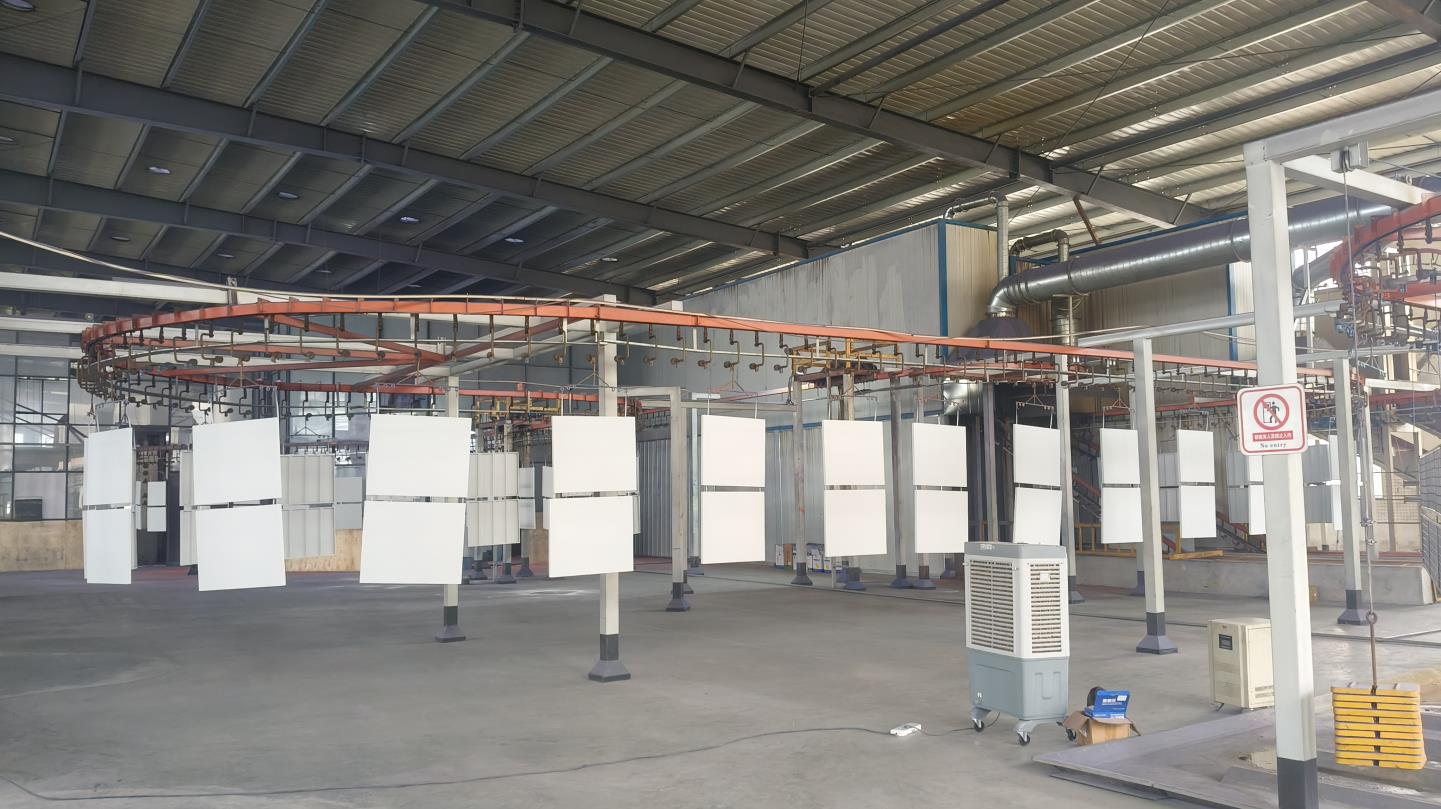
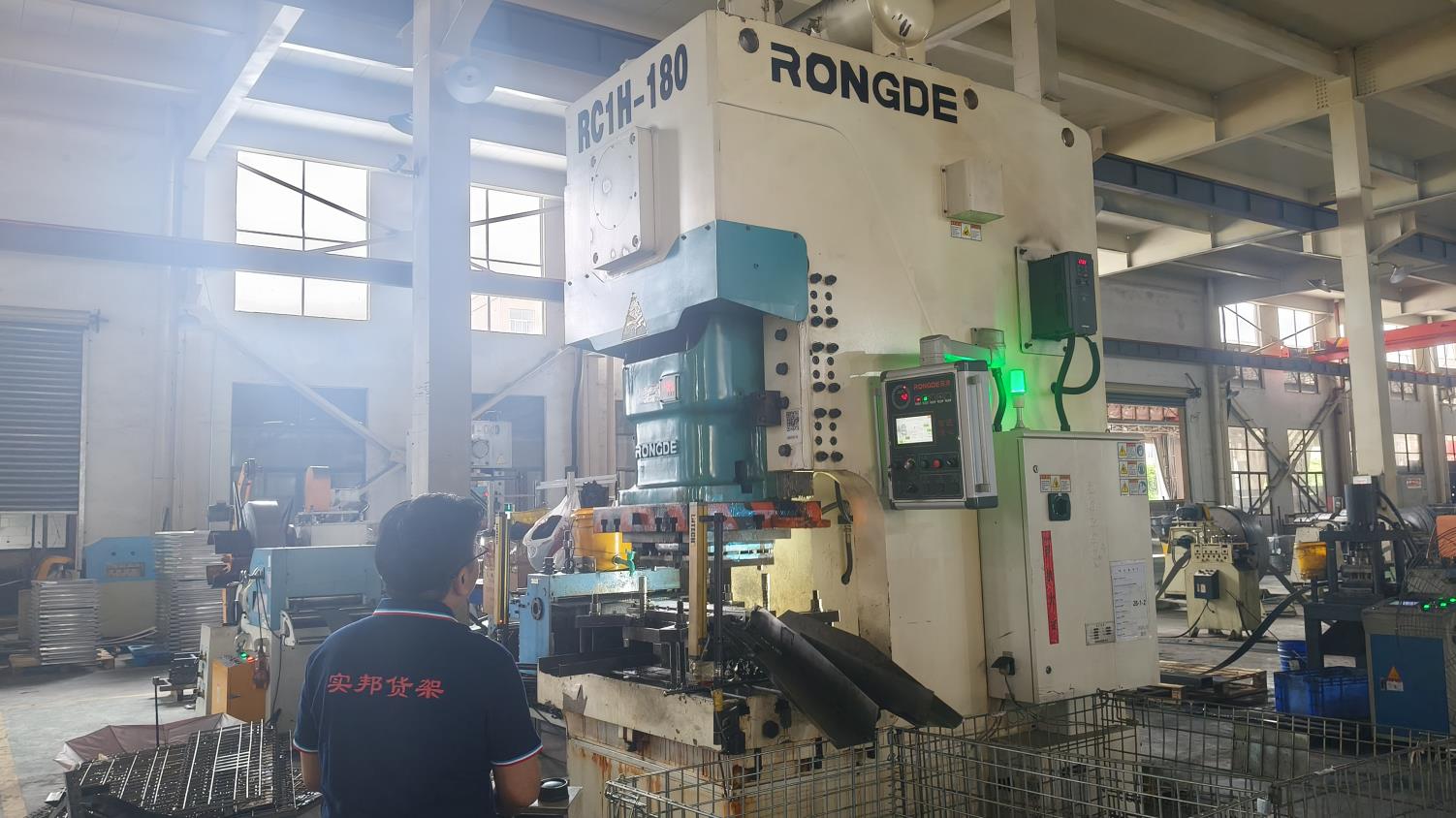
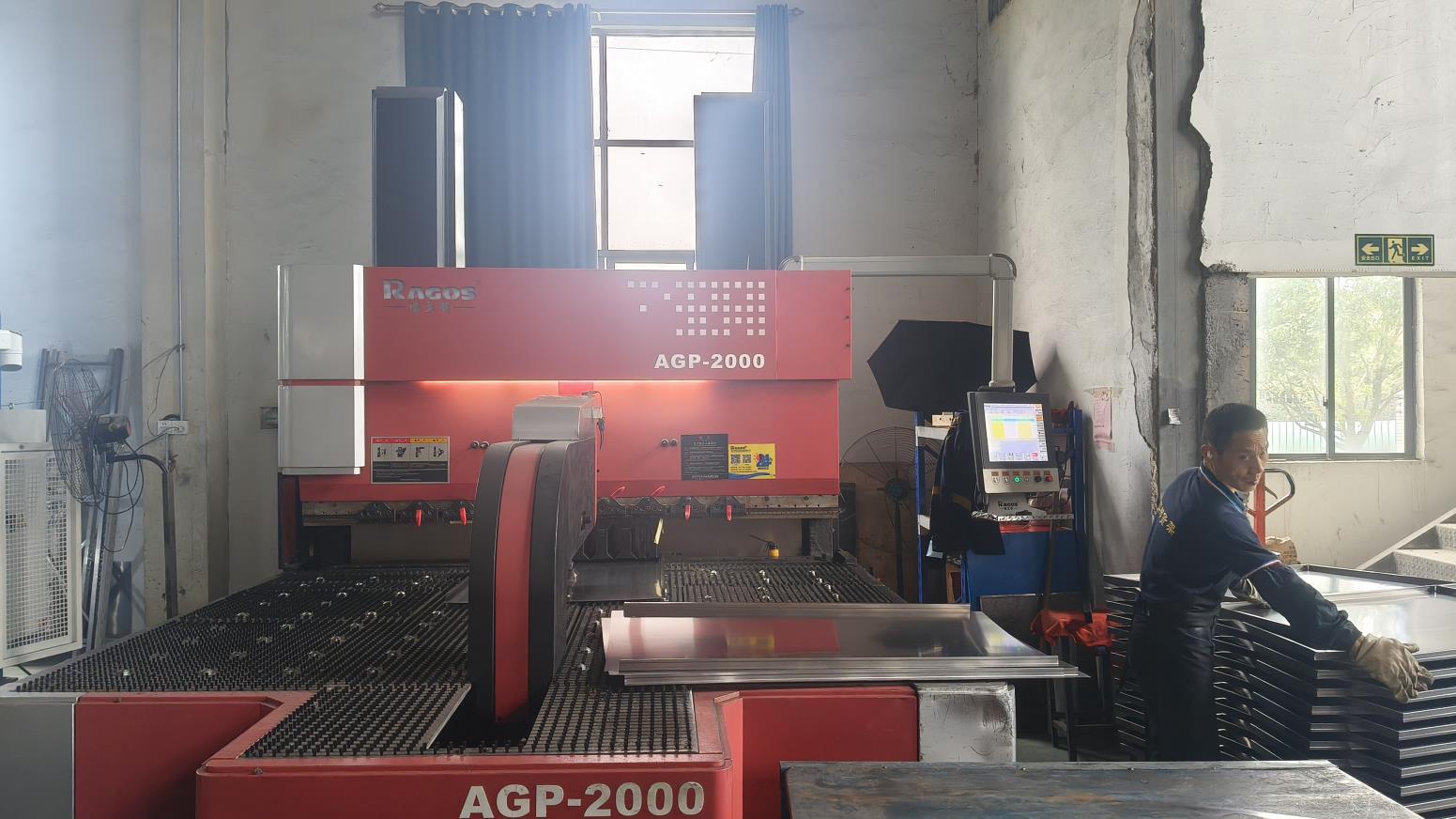
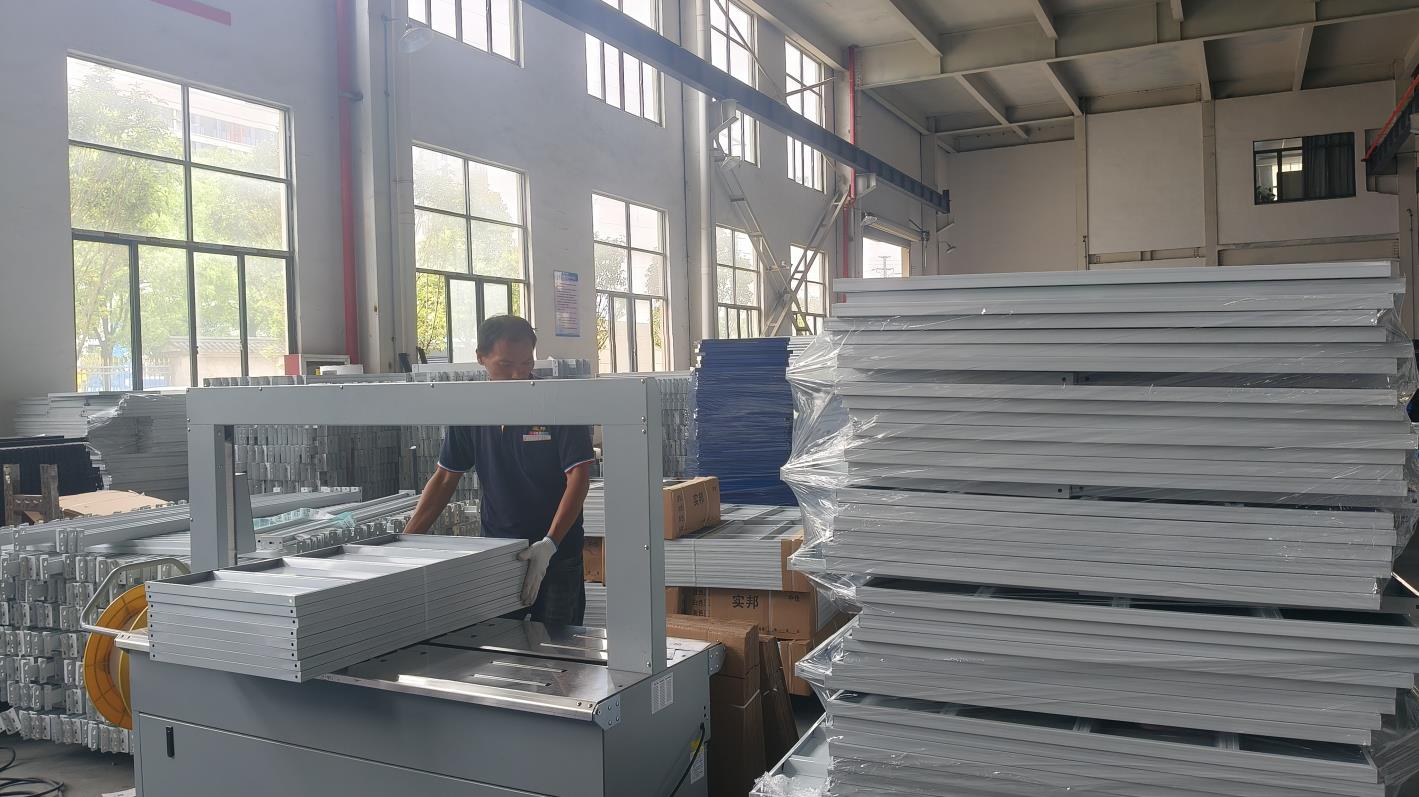
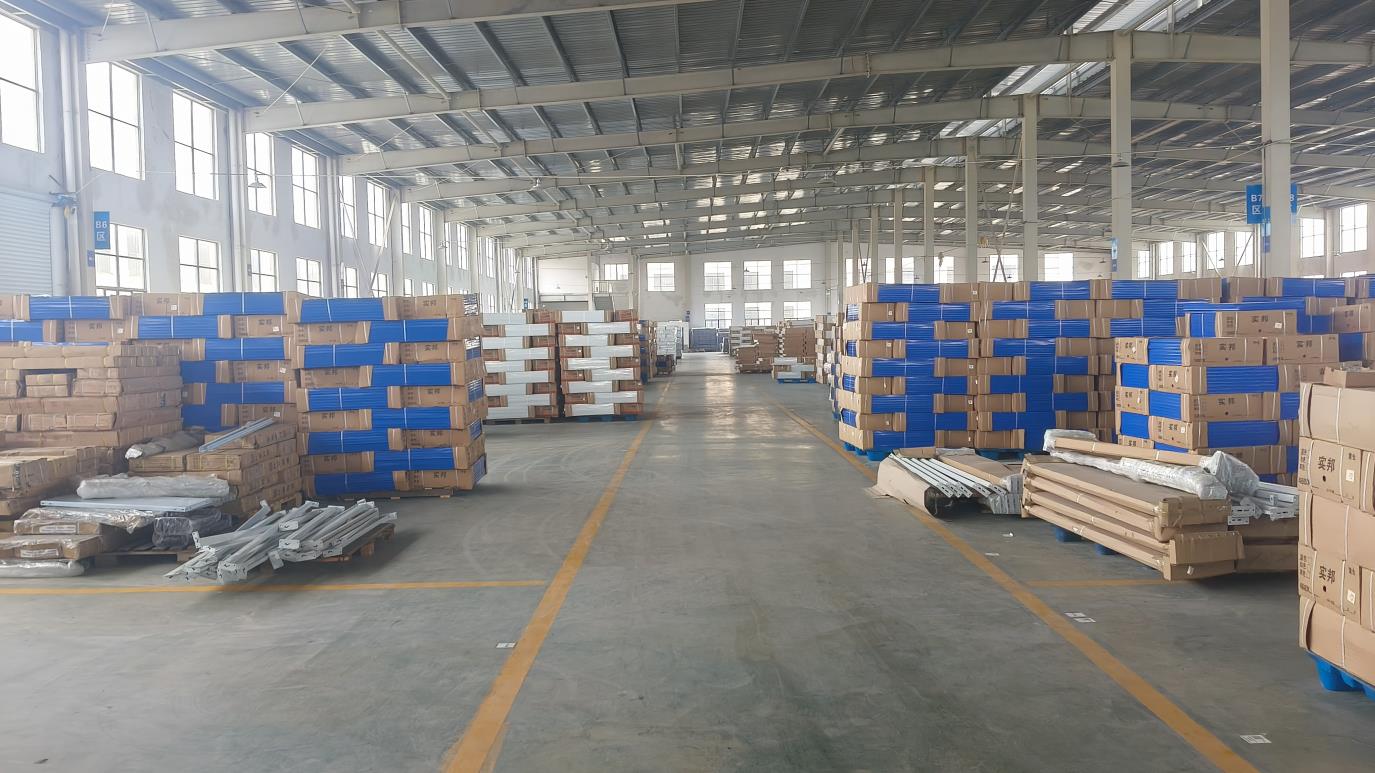
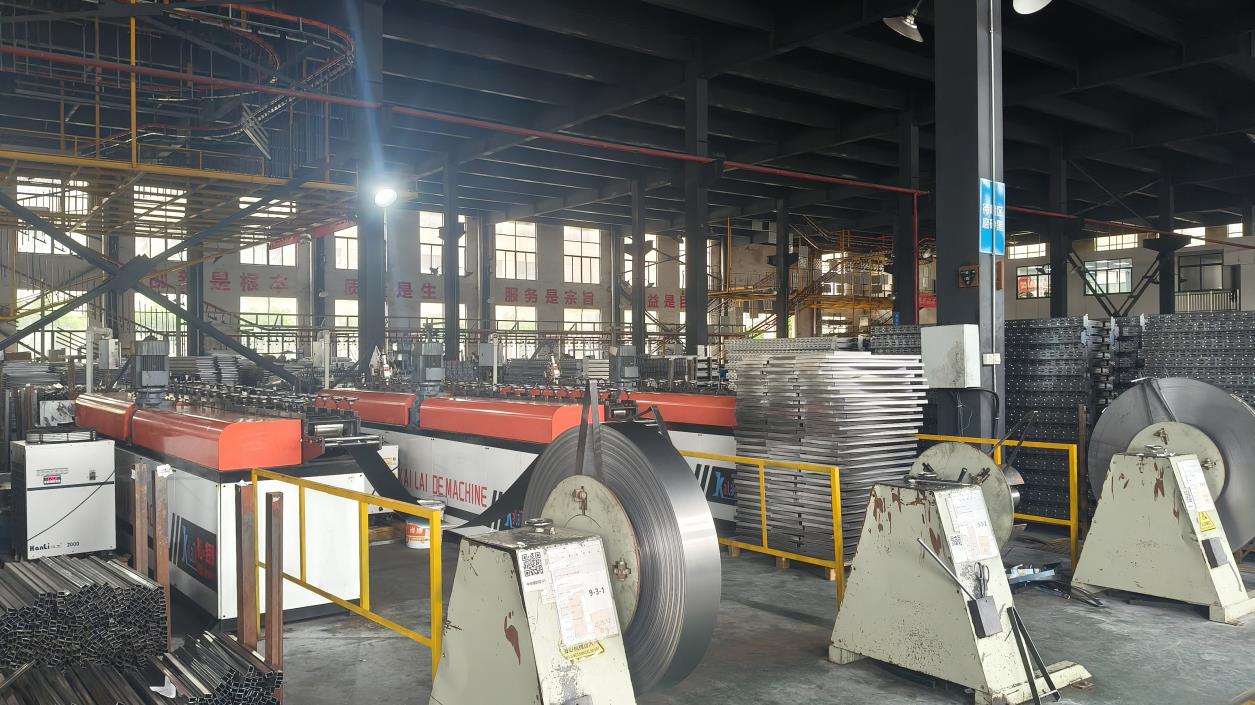
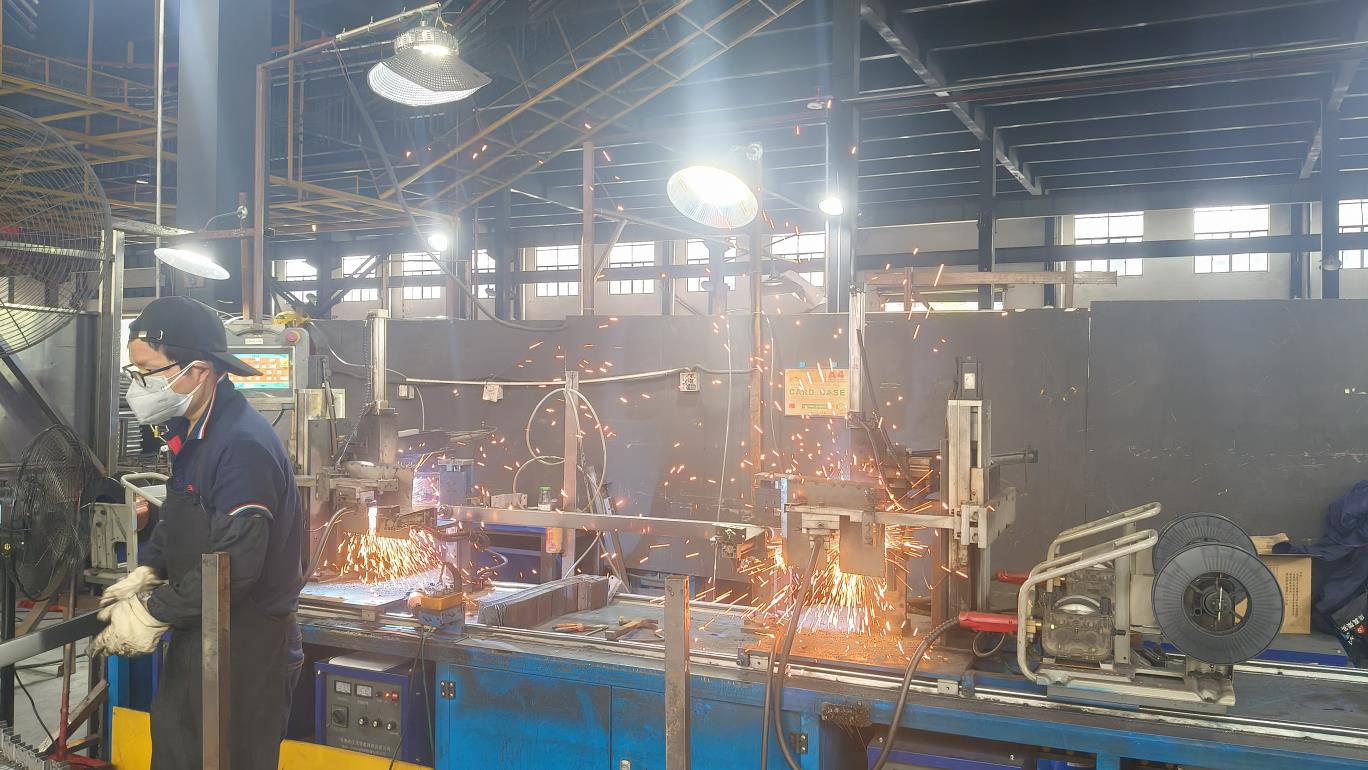
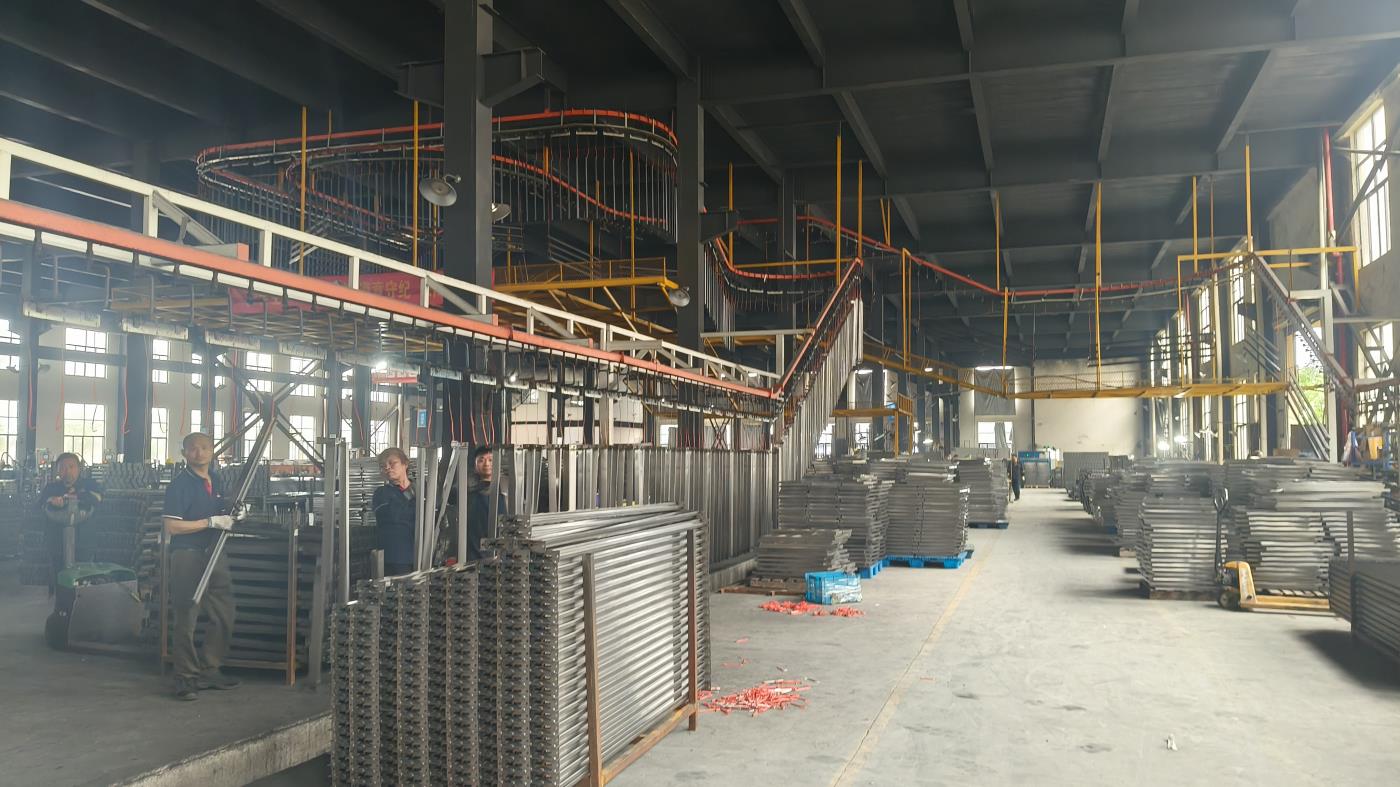
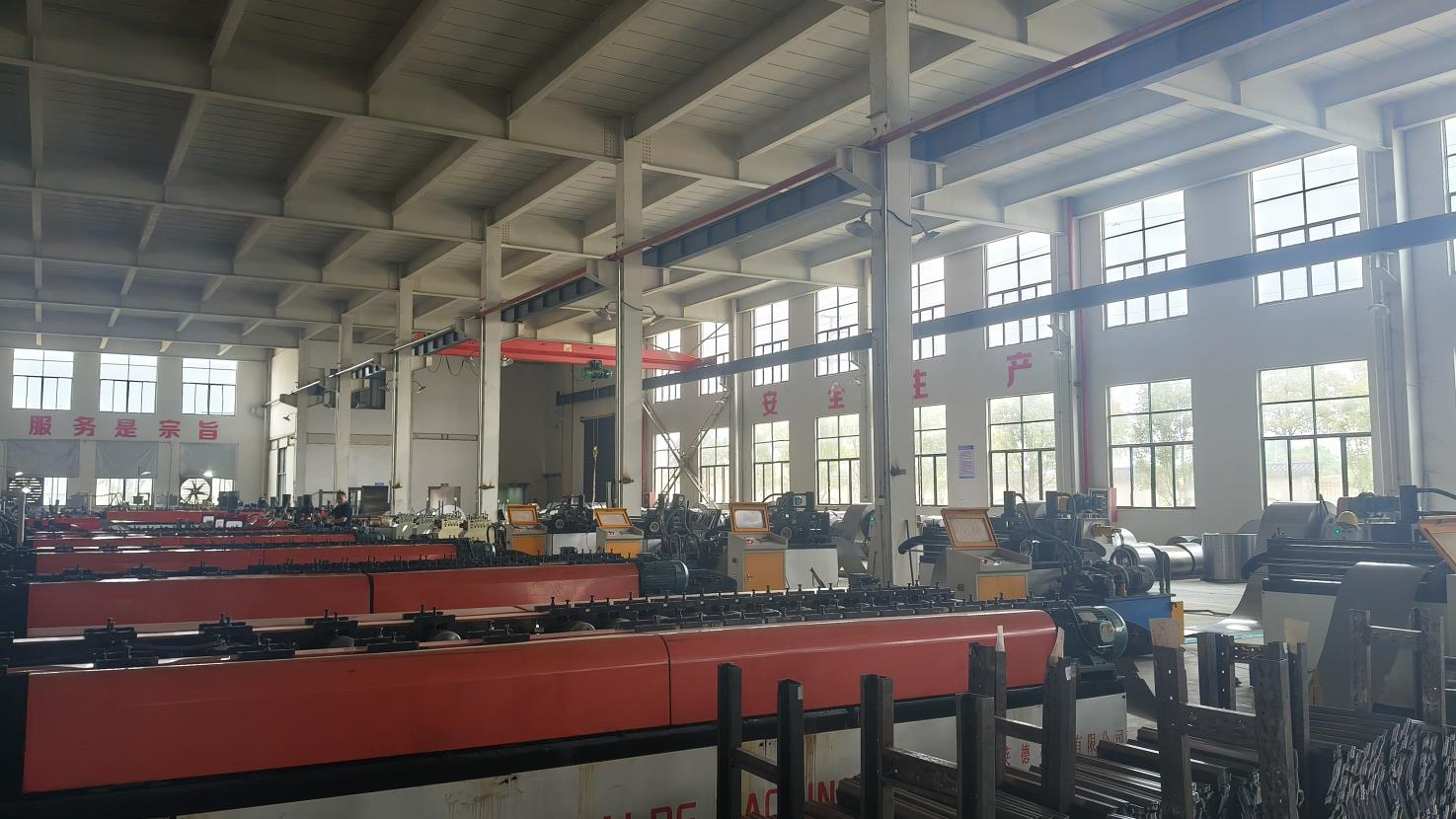
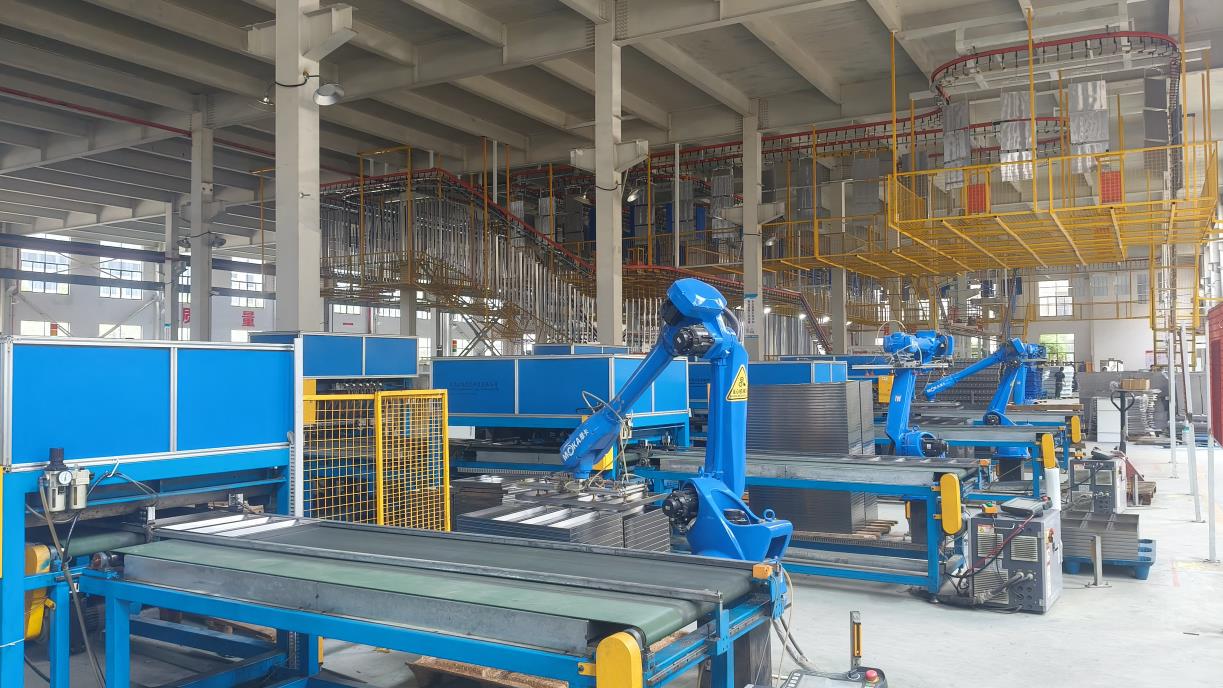
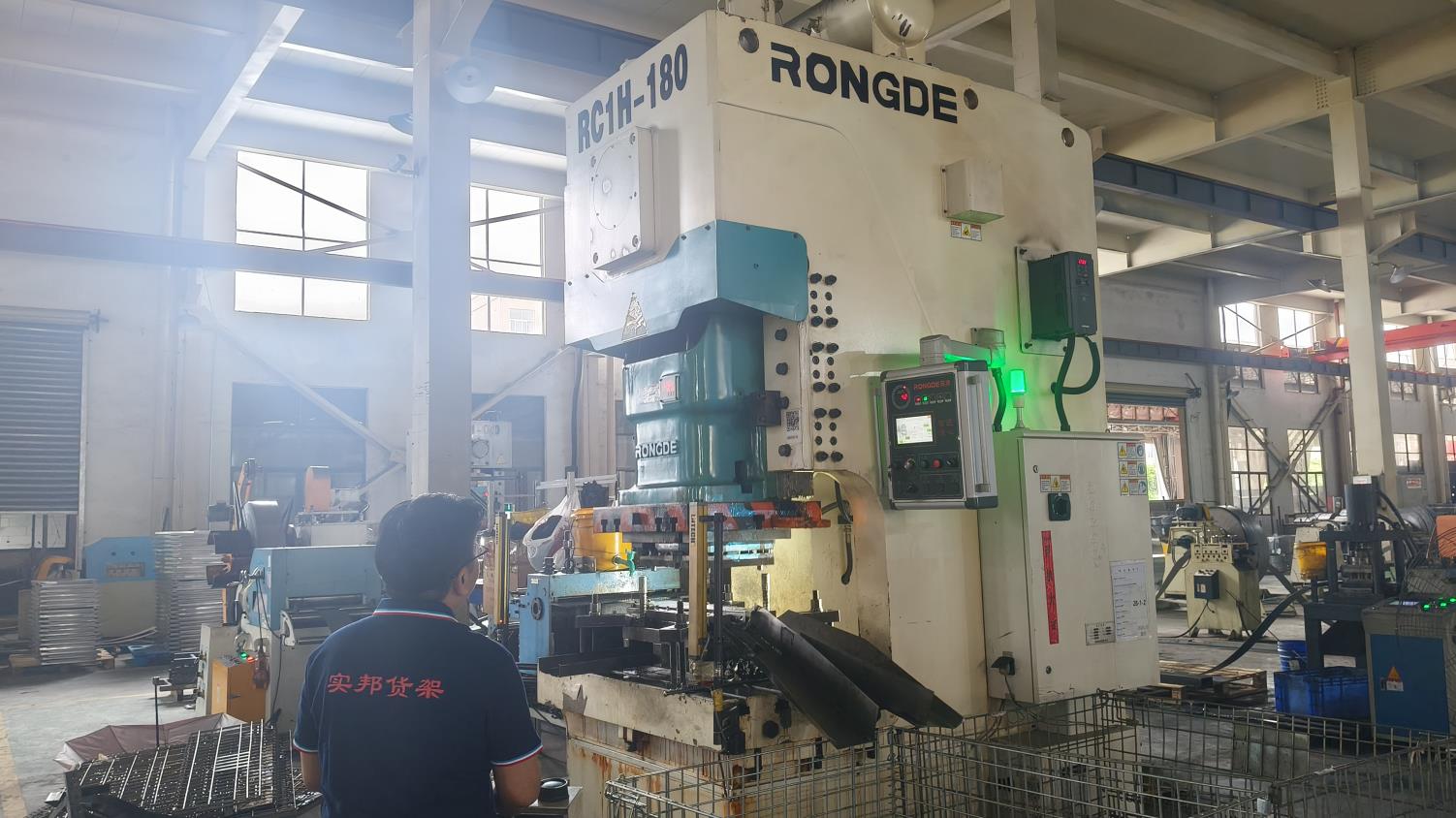
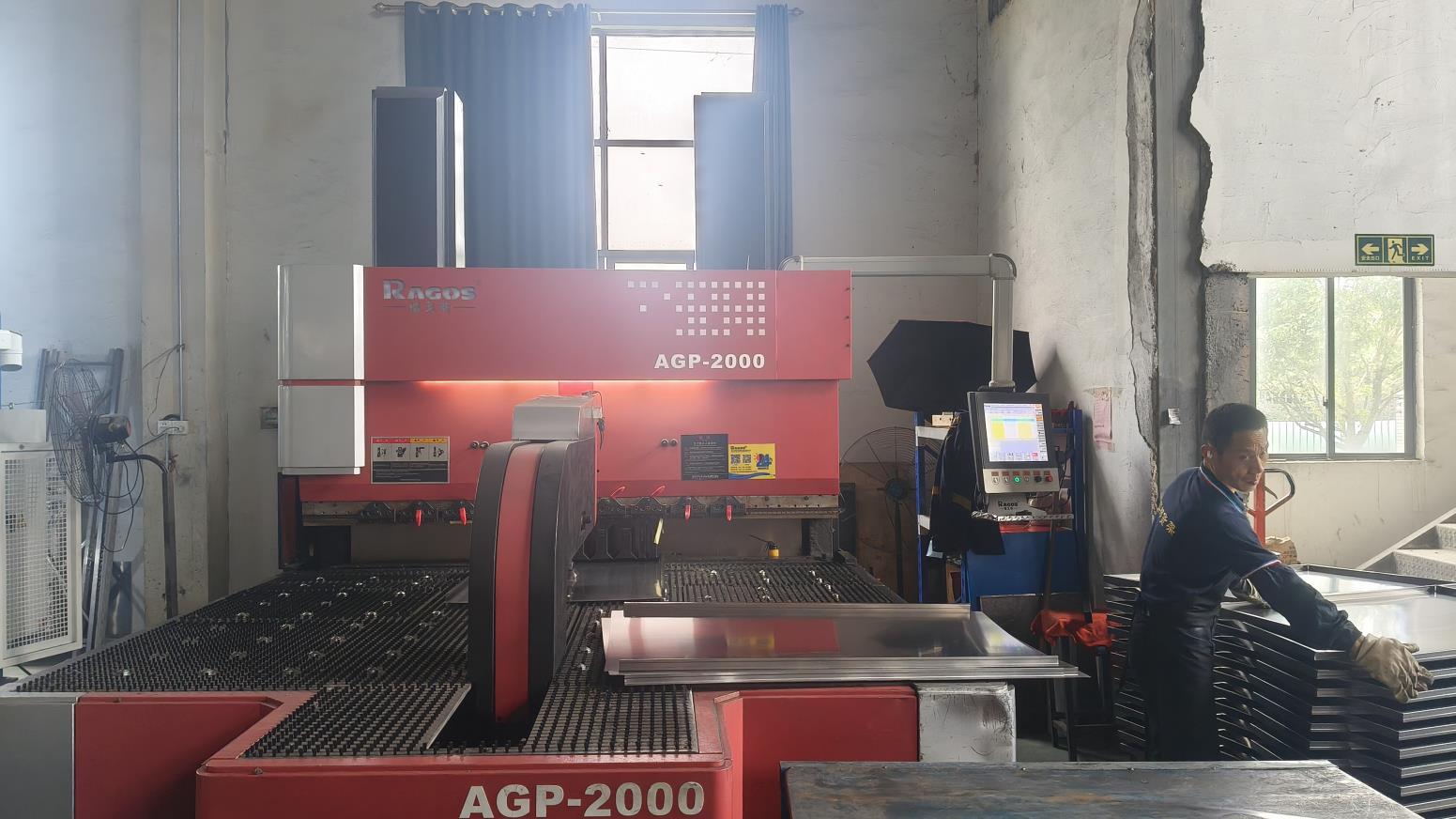
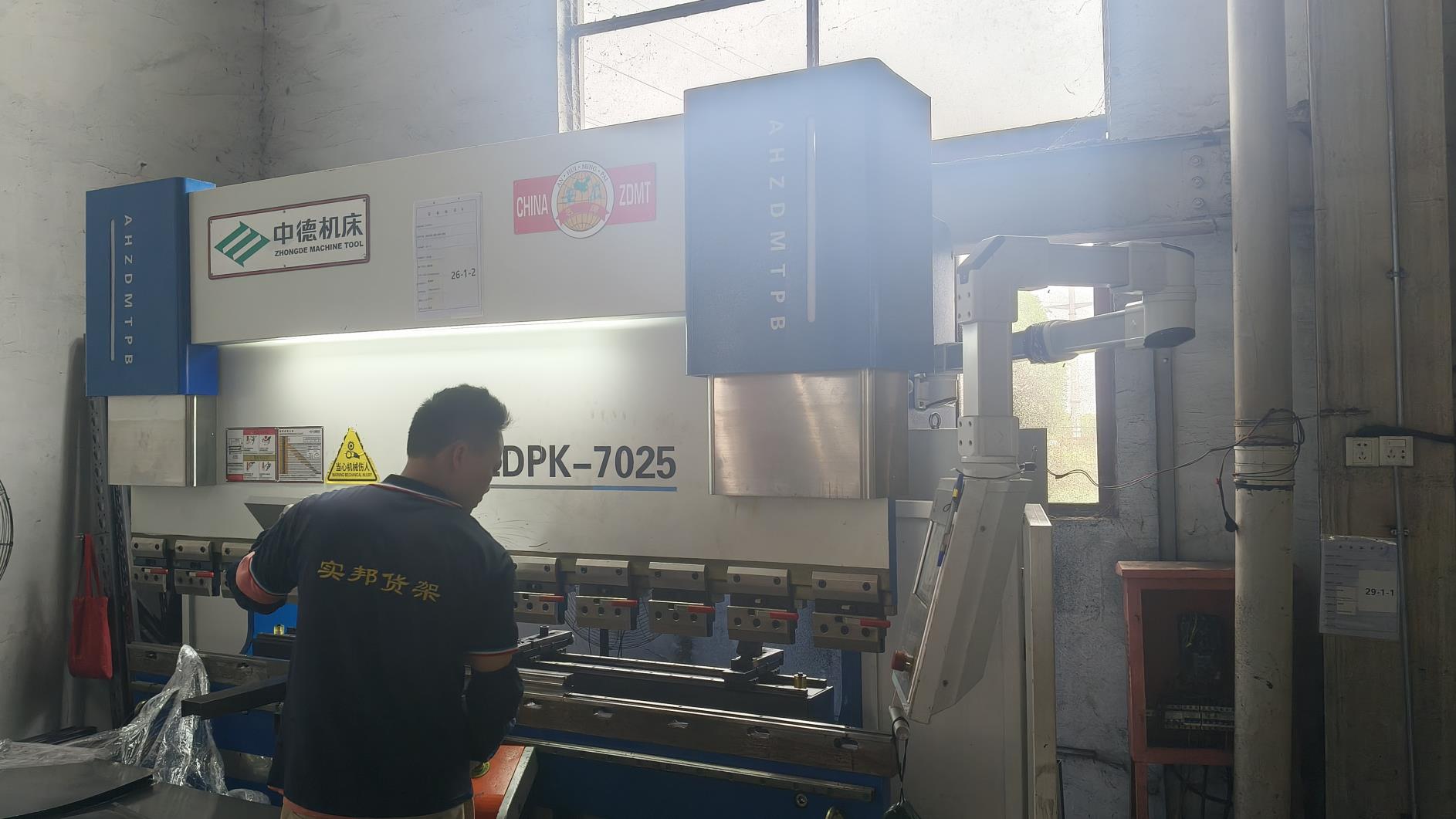
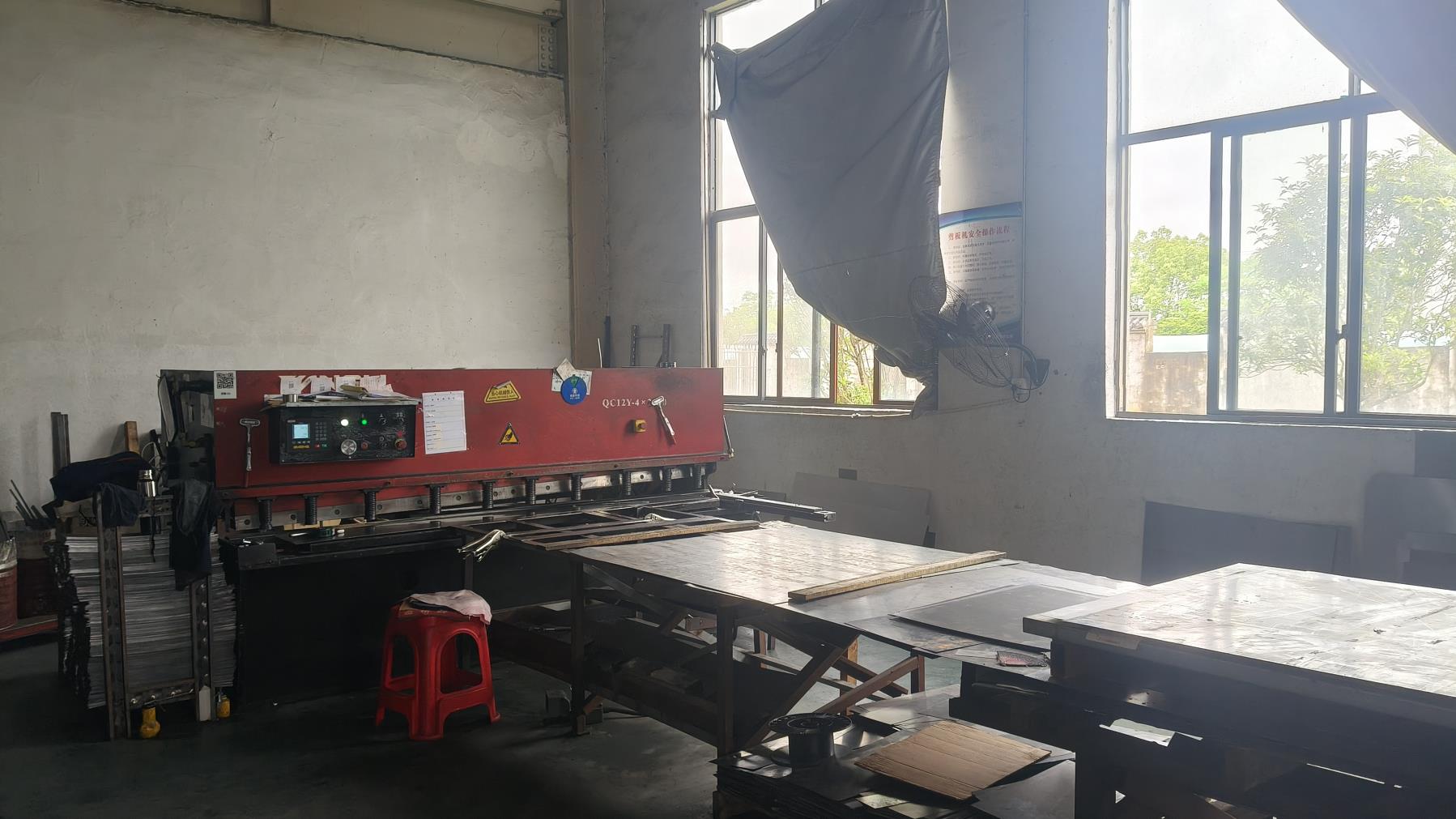
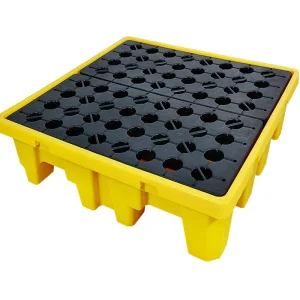
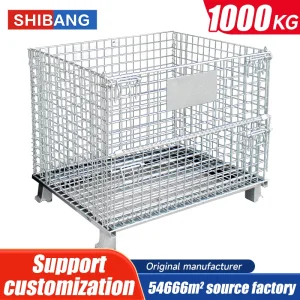
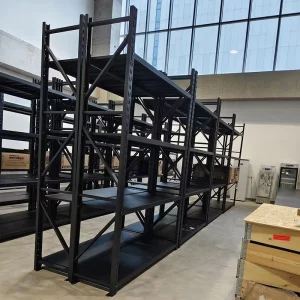
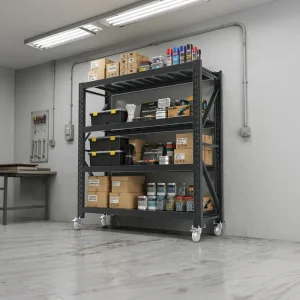
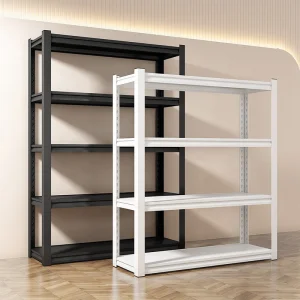
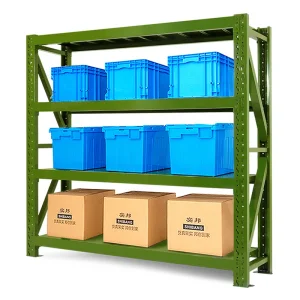
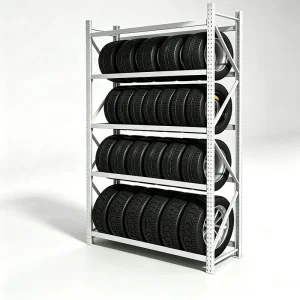
Heavy-duty solutions designed for automated logistics loops, coastal warehouse hubs, and commercial operations.
Technical guidance and answers to common specifications regarding high-capacity storage operations and international logistics.
HDPE (High-Density Polyethylene) provides complete water resistance and immunity to rot, mold, and coastal saline corrosion. Wooden pallets capture moisture in high relative humidity, increasing tare weight and inviting biological contaminants that violate international phytosanitary rules. HDPE is completely exempt from ISPM 15 standards, facilitating smoother international trade workflows.
Static load represents the weight capacity when a pallet rests on a flat floor surface (up to 6 tons on premium designs). Dynamic load measures capacity during transit on forklifts or hand-trucks (typically up to 1.5 tons). Rack load represents capacity when supported only by structural racking beams with unsupported spans. Understanding these differences is critical to avoiding collapse and ensuring warehouse safety.
Our industrial warehouse racking structures undergo an automated surface preparation line, followed by electrostatic powder coating or hot-dip galvanization. This treatment provides a thick, non-porous zinc-iron layer that protects the base carbon steel from high-humidity and marine-air degradation.
Yes. Our in-house R&D team consisting of 28 engineering professionals specializes in customizable structural profiles. We offer customizable rack heights, widths, and load ratings, along with specialized surface configuration parameters to optimize layout layouts for varied logistics footprints.
 Shibang Storage Rack